



Linde Polymer Tec Co.,Ltd. is one of the most experienced manufacturers and suppliers of loader crankshaft seals in China, also supports customized service. Please feel free to buy high quality loader crankshaft seals for sale here from our factory.
Loader crankshaft seals Description
Overview of loader crankshaft seals
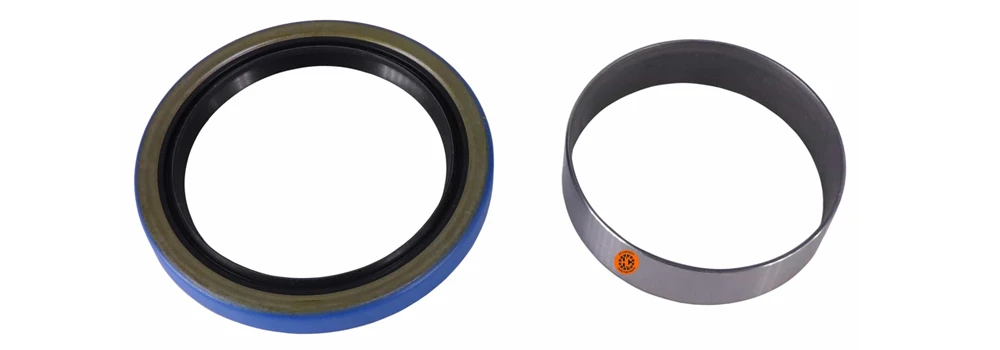
Loader crankshaft seals are important components in the loader engine, and their role is to prevent the leakage of lubricating oil inside the engine, and at the same time prevent external impurities and dust from entering the engine, which plays a vital role in the normal operation of the engine. Crankshaft seals are typically composed of components such as sealing rings, gaskets, and sealing lips, and their design and manufacturing accuracy directly affect the performance and life of the engine.
| Product name | Loader crankshaft seals |
| Product material | Polytetrafluoroethylene (PTFE), polyurethane (PU) and high-performance rubber |
| Hardness (Shore A) | 30 to 90 |
| Applicable temperature °C | -50 to 140 |
| Color | Black, orange, blue, yellow, green, custom |
| Size | Standard/ Custom |
| Advantage | High-temperature resistance, Abrasion resistance, Corrosion resistance, Elastic performance |
| Application | Loader engine system |
| Certification | ISO: 9001, ISO: 14001, IATF: 16949 |
Structure and function of loader crankshaft seals
Sealing ring
The sealing ring is the main part of the crankshaft seal, which is usually made of high-quality materials that are resistant to wear and high temperatures, and its inner surface is tightly bonded to the crankshaft to form an effective seal. The cross-sectional shape of the sealing ring is designed to maintain stable sealing performance while reducing friction and wear as the crankshaft rotates.
Gasket
The gasket is located between the sealing ring and the engine block and plays a role in filling the gap and enhancing the sealing effect. Gaskets are typically made of soft and durable materials that can withstand thermal deformation and mechanical vibrations that occur during engine operation.
Sealing lips
The sealing lip is a critical part of the crankshaft seal, and its shape and size are precisely calculated and optimized to form a dynamic seal as the crankshaft rotates. The sealing lip effectively blocks the leakage of lubricating oil from the inside of the engine, while preventing external impurities and dust from entering the engine.
The material and process of the loader crankshaft seal
Material selection
The choice of material for crankshaft seals is critical, and it is often necessary to consider the material's properties such as wear resistance, high-temperature resistance, corrosion resistance, and elasticity. Commonly used materials include polytetrafluoroethylene (PTFE), polyurethane (PU), and high-performance rubber. These materials not only have good sealing properties but also maintain stable performance in harsh operating environments.
Manufacturing process
The manufacturing process of crankshaft seals likewise affects their quality and performance. The manufacturing process includes steps such as mold design, material forming, precision machining, and surface treatment. By adopting advanced mold design and molding technology, the dimensional accuracy and shape stability of the seal can be ensured. Precision machining and surface treatment can further improve the sealing performance and durability of the seals.
Installation and maintenance of loader crankshaft seals
Precautions for installation
When installing the crankshaft seal, it is necessary to ensure that the mating surface of the seal and the crankshaft and cylinder block is clean and free of impurities to avoid scratches and damage during installation. At the same time, it is necessary to follow the correct installation steps and torque requirements to ensure that the seals are in place and securely fixed.
Maintenance
The maintenance of crankshaft seals is equally important. During use, it is necessary to regularly check the wear and tear of the seal, and replace it in time if it is found that the wear is serious or damaged. In addition, it is necessary to keep the inside of the engine clean to avoid impurities and dust entering the engine and causing damage to the seals.
Fault and diagnosis of loader crankshaft seals
Common faults
Common failures of crankshaft seals include leakage, wear, and breakage. Leaks are usually caused by poor fitting of the seal ring to the crankshaft or cylinder block, aging or damage to the gasket, wear is caused by long-term friction and poor lubrication, and fracture can be caused by defective materials or improper installation.
Fault diagnosis
Fault diagnosis of crankshaft seals can be carried out by observing leaks, checking the degree of seal wear and material condition, etc. At the same time, it can also be combined with the operating status and performance of the engine for comprehensive judgment. Once a fault is found, measures should be taken to repair or replace it in time.
Replacement and selection of loader crankshaft seals
Replacement cycle
The replacement interval for crankshaft seals is usually based on the use and maintenance of the engine. In general, crankshaft seals should be inspected and replaced during engine overhaul or scheduled maintenance. In addition, if there is a leak or other fault, it needs to be replaced in time.
Selection suggestions
When selecting crankshaft seals, factors such as the type of engine, power, and environment of use need to be considered. Seal products that match the engine, have stable performance and have reliable quality should be selected. At the same time, it is also necessary to pay attention to factors such as product certification and brand reputation.
Summary
As an important component of the engine, the performance and quality of loader crankshaft seals directly affect the running stability and life of the engine. Therefore, when selecting, installing, maintaining, and replacing crankshaft seals, it is necessary to fully understand the knowledge of their structure, function, materials, and processes to ensure the normal operation and long-term use of the engine. Through reasonable selection, correct installation, and maintenance, the service life and performance stability of crankshaft seals can be effectively improved, and the normal operation of the loader can be provided with a strong guarantee.

The FAQs (Frequently Asked Questions) about loader crankshaft seals are as follows:
Q1: What is the main function of the loader crankshaft seal?
A1: The main function of the loader crankshaft seal is to prevent oil or other lubricating liquids from leaking from the crankcase, and at the same time prevent external dust and impurities from entering the crankcase to ensure normal operation and prolong the service life of the crankshaft and related components.
Q2: How can I tell if the loader crankshaft seal needs to be replaced?
A2: If the loader has an abnormal increase in oil consumption, oil stains or oil stains around the crankcase, and unstable oil pressure during use, then it may be that there is a problem with the crankshaft seal, which needs to be checked and replaced in time.
Q3: How to choose the right loader crankshaft seal?
A3: There are many factors to consider when choosing the right loader crankshaft seal, including the model of the loader, the size of the crankshaft, the working environment, the material and performance of the seal, etc. It is recommended to determine the appropriate seal model and specification according to the loader's instruction manual or consult professional maintenance personnel.
Q4: What should I pay attention to when replacing the loader crankshaft seal?
A4: When replacing the loader crankshaft seal, you need to pay attention to the following points: first, ensure that the operating environment is clean and tidy to prevent impurities from entering the crankcase; secondly, install the seals correctly to avoid leakage caused by improper installation; finally, after replacing the seals, check the oil level and oil pressure to ensure the normal operation of the loader.
Q5: How to maintain the loader crankshaft seal to prolong its service life?
A5: To prolong the service life of the loader crankshaft seal, the following maintenance measures can be taken: regularly change the engine oil and clean the crankcase to maintain the cleanliness and lubrication of the oil, regularly check the condition of the crankshaft seal, and replace it in time if it is found to be abnormal, and avoid long-term high-speed operation or overload operation to reduce the wear of the crankshaft and seal.
The above are some frequently asked questions about loader crankshaft seals, I hope it will be helpful to you. If you have more questions, please consult professional maintenance personnel or relevant manufacturers.
Tips: Please provide drawings for customized products, we can complete the samples within 4-8 working days.
Hot Tags: loader crankshaft seals, China loader crankshaft seals manufacturers, suppliers, factory, Excavator Wheel Seals, NBR 90 Hardness Hydraulic Piston Dust Seals, Automotive Seals, Electronic ACM Rubber Seals, AEM Rubber Shock Absorber, Oil Exploration Well Equipment O ring


