

Plastic, rubber, seals
Materials difference
Plastic and rubber are two different types of materials with some distinct differences in their composition, properties, and uses.
- Composition: Plastics are made from synthetic polymers, while rubber is made from natural or synthetic polymer compounds.
- Raw materials: The raw materials of plastics can be fossil fuels such as oil, natural gas, coal, etc., and polymers are synthesized through chemical reactions. The raw material of rubber can be the latex of natural rubber trees (natural rubber) or synthetic rubber (synthetic rubber).
- Physical properties: Plastics are usually hard and brittle, with good insulation properties, corrosion resistance and moldability. Rubber has elastic and soft properties and can return to its original shape after stretching. It also has good wear resistance and tear resistance.
- Usage: Due to the diverse properties and plasticity of plastics, they are widely used in the manufacture of various products, such as plastic bags, plastic bottles, plastic pipes, plastic furniture, etc. Due to its elasticity and wear resistance, rubber is widely used in the manufacture of tires, seals, rubber tubes, rubber shoes, etc.
It should be pointed out that there is also a material called thermoplastic elastomers (TPE), which has the characteristics of both plastic and rubber. TPE can be heated, melted and injection molded like plastic, while having the elasticity and softness of rubber. This material can replace traditional plastic or rubber materials in many applications.
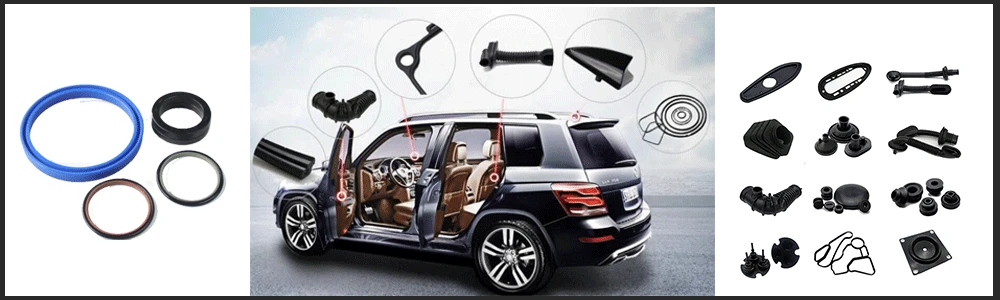
Plastic seals and rubber seals are two common seal types that have some differences in materials, properties, and applications.
- Material: Plastic seals usually use polymer materials, such as polypropylene (PP), polyethylene (PE), polyvinyl chloride (PVC), etc. Rubber seals mainly use rubber materials, such as styrene-butadiene rubber (BR), nitrile-butadiene rubber (NBR), fluorine rubber (FKM), etc
- Sealing performance: Because rubber has good elasticity and plasticity, rubber seals can provide good sealing performance, have high elastic recovery performance, and can adapt to large deformations and uneven surfaces. Plastic seals have relatively poor sealing performance and are generally suitable for low pressure, low temperature, or applications that do not require high sealing performance.
- Durability: Rubber seals have good wear resistance, corrosion resistance and aging resistance, and can be used for a long time in harsh environments. In contrast, plastic seals are less durable and susceptible to corrosion and wear from chemicals.
- Scope of application: Due to the excellent elasticity and durability of rubber seals, they are widely used in high-pressure, high-temperature and situations requiring higher sealing performance, such as automotive engines, piping systems, hydraulic equipment, etc. Plastic seals are mainly used in situations with low pressure, low temperature and general sealing requirements, such as home appliances, daily necessities, low-pressure pipelines, etc.
It should be noted that the specific choice of plastic or rubber seals also depends on factors such as specific application requirements, working environment and budget. In some special cases, seals made of composite materials or other special materials may also be used to meet specific requirements.


