

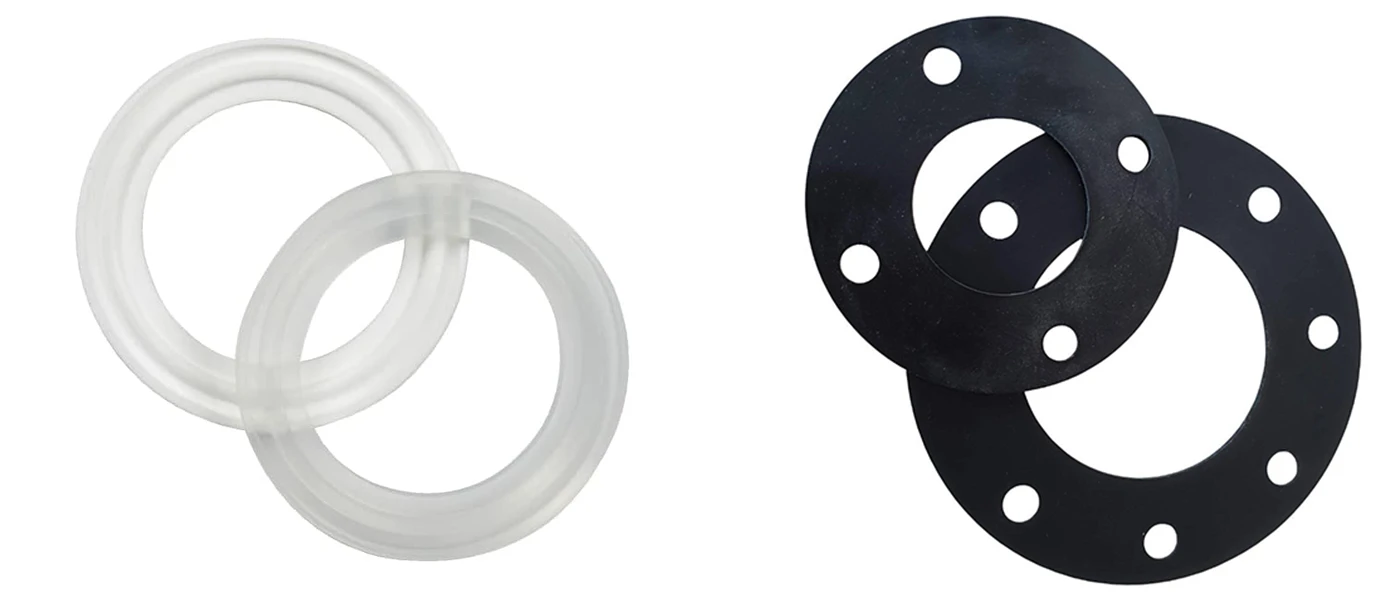
Common sealing components include silicone and rubber gaskets, each of which has unique properties and benefits for various uses. Prior to debating the superiority of silicone over rubber gaskets, it is important to take into account the particular usage conditions and specifications.
High temperature resistance
The ability of silicone gaskets to withstand high temperatures is clearly advantageous. Silicone gaskets offer superior heat resistance and can tolerate a larger temperature range than regular rubber gaskets. This increases the dependability of silicone gaskets, which are utilized in exhaust systems, engines, and other high-temperature equipment. Silicone gaskets could be a preferable option for applications that need to operate for prolonged periods of time at hot temperatures.
Chemical resistance
Because silicone is a highly resistant material to chemicals, silicone gaskets can withstand the erosion of a wide range of chemicals, such as oils, solvents, acids, and alkalis. Silicone gaskets are therefore advantageous in applications where chemical corrosion resistance is required. For instance, silicone materials work better in specific chemical equipment or conditions. Rubber gaskets perform somewhat poorly in this regard and are prone to aging and corrosion from certain chemicals.
Elasticity
Even after being compressed or deformed, silicone materials may rapidly regain their original shape because of their high elasticity and resilience. As a result, silicone gaskets are increasingly frequently utilized in applications that call for repeated disassembly and reassembly while still offering reliable sealing performance. In comparison, silicone gaskets work better in this area, even though rubber gaskets are also somewhat elastic.
Weather resistance and aging resistance
Silicone gaskets are very resistant to weather and offer anti-aging qualities. It is resistant to aging, brittleness, and hardness and may retain its physical qualities for a very long period. As a result, silicone gaskets are more trustworthy for long-term or outdoor use. Extended durations of exposure to sunshine, air, and other environmental variables can cause rubber gaskets to age and deteriorate.
Cost and plasticity
There are still certain uses for rubber gaskets. First, rubber gaskets are more readily accessible and comparatively less expensive for a range of applications. Rubber materials can also adjust to the sealing demands of various shapes and sizes since they are more flexible and resilient.
Summarize
The advantages of silicone gaskets are their resistance to high temperatures, chemicals, aging, and elastic elasticity. However, we must take into account a number of criteria when choosing gasket materials, including the demands, budget, and particular application environment. In certain particular instances, rubber gaskets could still be a better option. As a result, we should assess the particular circumstances and select the best gasket material.


