

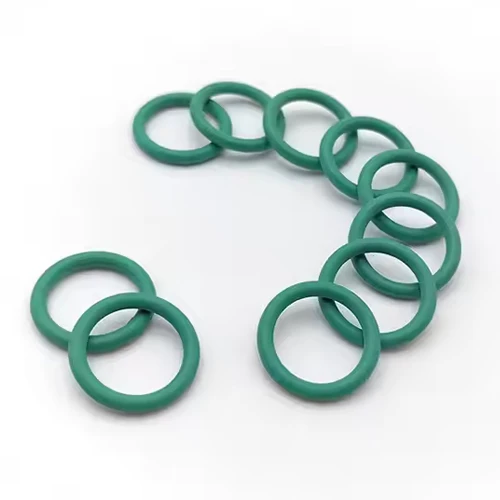


Linde Polymer Tec Co.,Ltd. is one of the most experienced manufacturers and suppliers of gene sequencing reaction system seals in China, also supports customized service. Please feel free to buy high quality gene sequencing reaction system seals for sale here from our factory.
Gene sequencing reaction system seals Description
When writing about the seals of the gene sequencing reaction system, we can elaborate on the following aspects:
Overview of the gene sequencing reaction system
A gene sequencing reaction system is a high-tech device used for sequencing and analysis of DNA or RNA samples. These systems can provide important information about genome structure, variation, and function, which is important for biological research and clinical diagnosis.
| Product name | Gene sequencing reaction system seals |
| Product material | Silicone, PTFE, and specialty rubbers |
| Hardness (Shore A) | 20 to 90 |
| Applicable temperature °C | -50° to 260° |
| Color | Black, orange, blue, yellow, green, custom |
| Size | Standard/ Custom |
| Advantage | Chemical stability, high temperature, and solvent resistance |
| Application | Gene sequencing reaction system |
| Certification | ISO: 9001, ISO: 14001, IATF: 16949 |
The role of seals
Seals play a vital role in gene sequencing reaction systems. They ensure the closure of the reaction system, prevent external contamination and cross-contamination, and at the same time ensure the stability of the internal environment of the reaction system, such as temperature, humidity, and chemical stability.
Type of seal
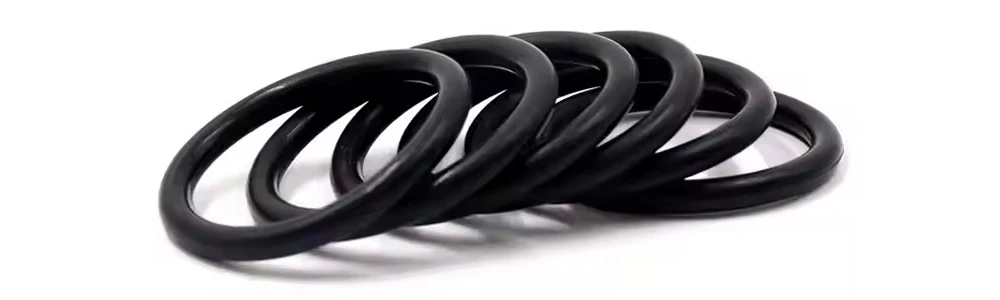
Seals can be physical, such as O-rings, gaskets, or membranes, or chemical, such as specific sealants. Physical seals mechanically block the entry of outside substances, while chemical seals form a barrier through chemical reactions.
The material of the seal
The choice of material for a seal is critical to its performance. Commonly used materials include silicone, polytetrafluoroethylene (PTFE), and specialty rubber. These materials need to be chemically stable, resistant to high temperatures, and resistant to solvents to accommodate the various conditions that may be encountered during sequencing reactions.
Design of seals
Seals need to be designed to take into account their compatibility with the reaction system, including size, shape, and installation. It was also designed with ease of removal and replacement for easy maintenance and cleaning.
Performance requirements of seals
Seals need to meet the following performance requirements:
Tightness: Able to keep the seal sealed for a long time to prevent leakage of gases and liquids.
Durability: Maintains performance over multiple cycles of sequencing reactions.
Biocompatibility: No hazard to the sample or operator.
Reliability: Consistent performance is guaranteed under defined usage conditions.
Maintenance and replacement of seals
To ensure the long-term stable operation of the sequencing reaction system, seals need to be checked and replaced regularly. This includes inspecting seals for wear, aging, and chemical damage and replacing them if necessary.
Conclusion
The seals of the gene sequencing reaction system are one of the key factors in ensuring the accuracy and reproducibility of sequencing. By selecting the right materials, design, and maintenance strategies, you can maximize sequencing efficiency and reliability of results.
Hot Tags: gene sequencing reaction system seals, China gene sequencing reaction system seals manufacturers, suppliers, factory, Exhaust Pipe Rubber Gaskets, HNBR RGD O Ring For Vlave, Automotive Drive Shaft Seals, Electric Heater Rubber Sealing Ring, Oil Cap Rubber Sealing Ring, Automotive Valve Stem Seals


