

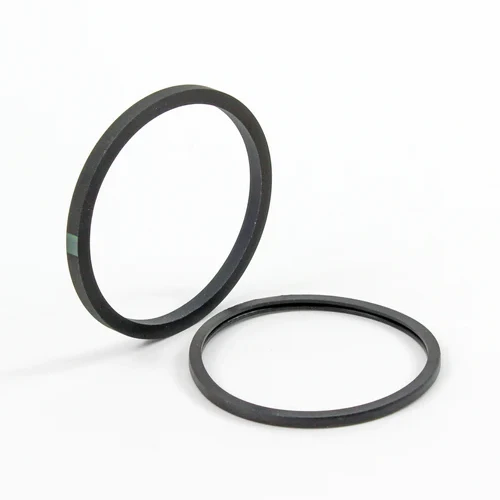


Linde Polymer Tec Co.,Ltd. is one of the most experienced manufacturers and suppliers of crane braking system seals in China, also supports customized service. Please feel free to buy high quality crane braking system seals for sale here from our factory.
Crane braking system seals Description
The crane braking system is one of the important components to ensure the safe operation of the crane. The performance of the braking system is directly related to the safety and reliability of crane operation. Seals play a vital role in braking systems, ensuring that the braking system maintains stable performance in a wide range of operating environments.
| Product name | Crane braking system seals |
| Product material | NBR, EPDM, FFKM, Other rubber |
| Hardness (Shore A) | 20 to 90 |
| Applicable temperature °C | -50 to 140 |
| Color | Black, orange, blue, yellow, green, custom |
| Size | Standard/ Custom |
| Advantage | High temperature resistance, Abrasion resistance, Corrosion resistance, Elastic performance |
| Application | Braking system |
| Certification | ISO: 9001, ISO: 14001, IATF: 16949 |
Overview of crane braking systems
The main function of the crane braking system is to stop the crane movement quickly and accurately when needed, whether it is the rotation of the boom, the movement of the trolley or the lifting of the hook. This system usually consists of a brake, a brake control unit, and a power source.
The brake is the core component of the braking system, and it can be electromagnetic, hydraulic, or mechanical. Electromagnetic brakes use electromagnetic force to generate friction to brake, hydraulic brakes use hydraulic energy to brake, and mechanical brakes brake mechanically.
The brake control unit is responsible for controlling the start and release of the brake, and it can operate the brake according to the operator's instructions or the crane's automatic control system.
The power source provides the required energy for the braking system, which can be electricity, hydraulic fluid, or other forms of energy.
The role of seals in braking systems
Seals play a vital role in the braking system. Their main task is to prevent leakage of hydraulic oil or lubricating oil inside the braking system, but also to prevent outside moisture, dust and other contaminants from entering the system.
Prevent leakage
The hydraulic oil or lubricating oil in the braking system is the key to achieving the braking function. If these fluids leak, it will directly affect the braking effect and may even lead to brake failure. Therefore, the seals must be able to withstand pressure and temperature changes within the system, ensuring that the liquid does not leak.
Prevent pollution
External contaminants, such as dust, moisture and salt, can have a serious impact on the performance of the braking system if they enter the braking system. For example, moisture can cause rust, dust can increase friction, and salt can accelerate the corrosion process. Seals protect the internal components of the braking system by preventing the ingress of these contaminants, extending their lifespan.
Types and selection of seals
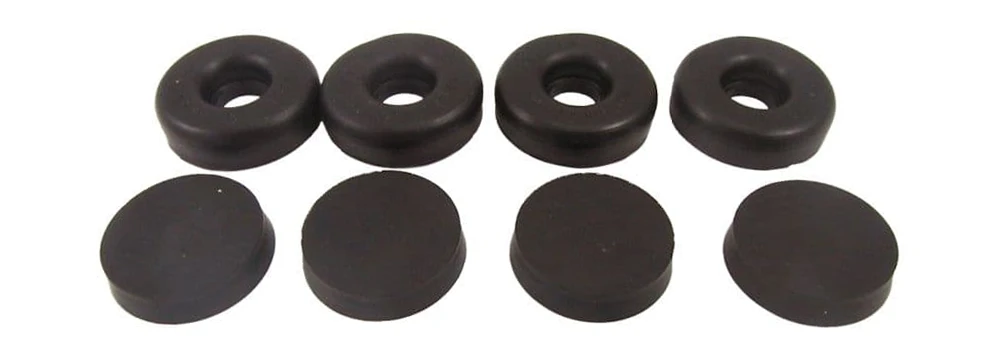
There are many types of seals used in braking systems, including O-rings, Y-rings, rectangular rings, PTFE (polytetrafluoroethylene) seals, and more. There are several factors to consider when choosing the right seal:
Compatibility
Seals must be compatible with fluids used in braking systems, such as hydraulic or lubricating oils. Incompatible seals may swell, harden, or dissolve, causing them to fail.
Temperature range
The braking system may encounter extreme temperature conditions during operation. Therefore, seals must be able to maintain performance over these temperature ranges.
Stress
Seals in braking systems are subjected to a certain amount of working pressure. When selecting a seal, it is important to ensure that it can withstand the maximum operating pressure of the system.
Type of exercise
Seals in braking systems may need to cope with static or dynamic applications. Seals in dynamic applications need to be able to withstand friction and wear caused by reciprocating or rotating motion.
Maintenance and replacement of seals
To ensure the reliability of the braking system, regular inspection and maintenance of the seals is essential. Here are some recommendations for maintaining and replacing seals:
Check it regularly
Regularly inspect seals for wear and damage. If a seal is found to be cracked, worn or deformed, it should be replaced immediately.
Clean
When replacing seals, the relevant parts should be thoroughly cleaned to remove all residues and contaminants from the old seals.
Proper installation
When installing a new seal, make sure it is placed correctly and avoid twisting or stretching. The use of proper tools and techniques can reduce damage to the seals during installation.
Choose high-quality seals
Choosing durable, high-performance seals can extend the maintenance intervals of your braking system and reduce the frequency of seal replacement.
Conclusion
The seals of the crane braking system are essential to ensure the safe operation of the crane. By selecting the right seals, carrying out regular maintenance and timely replacement, you can maintain the optimal performance of your braking system and extend its service life. This not only helps to increase work efficiency, but also ensures the safety of operators and equipment.

Here are some frequently asked questions about crane braking system seals and their detailed answers:
1. What is the role of seals in crane braking system?
Seals play a role in the crane braking system to prevent lubricating oil leakage and prevent dust, moisture and other pollutants from entering the braking system. This keeps the inside of the brake clean and lubricated, ensuring the effectiveness and safety of the braking system.
2. What are the common types of seals for crane braking systems?
Common types of seals include O-rings, Y-rings, skeleton oil seals, V-rings, etc. Different types of seals are suitable for different working environments and requirements, and choosing the right seal is critical to the performance of your braking system.
3. How can I tell if a seal needs to be replaced?
Aging, hardening, cracking, wear, or damage to seals are all signs that need to be replaced. In addition, if you find a leak, degraded performance, or slow response in the braking system, it can also mean that the seal needs to be replaced.
4. What should I pay attention to when replacing seals?
Select the appropriate seal type and size to ensure that it matches the original part.
Clean and inspect the installation area to ensure that it is free of dust and impurities.
Install according to the manufacturer's instructions to avoid using excessive force that can deform the seal.
Before installing new seals, check the other parts of the braking system for wear and replace them if necessary.
5. What are the key points for maintaining and servicing seals?
Regularly check the condition of the seals, especially in harsh working environments.
Avoid cleaning seals with incompatible chemicals to avoid damage.
Ensure that the braking system is in a good state of lubrication to reduce seal wear.
When storing seals, they should be placed in a dry, dark environment to avoid seal aging.
6. What are the effects of seal failure on the crane braking system?
Seal failure may lead to problems such as leakage of the braking system, decreased braking effect, prolonged response time, and even brake failure in serious cases, thus affecting the safe operation of the crane.
7. How to choose the right seal material?
When selecting a seal material, you need to consider factors such as temperature, pressure, and chemical properties of the working environment. For example, for high-temperature environments, a high-temperature sealing material should be selected, and for chemically aggressive environments, a chemically resistant sealing material should be selected.
8. What is the typical service life of a seal?
The lifespan of a seal depends on a variety of factors, including the working environment, frequency of use, type of material, and more. In general, high-quality seals can last for several years under normal use and proper maintenance. However, to ensure safety, it is advisable to inspect regularly and replace seals as needed.
Through the above detailed answers, we can see that although the seal of the crane braking system is small in size, its role cannot be underestimated. Proper selection, installation and maintenance of seals are essential to ensure the safe operation of the crane and extend the life of the braking system.
Tips: Please provide drawings for customized products, we can complete the samples within 4-8 working days.
Hot Tags: crane braking system seals, China crane braking system seals manufacturers, suppliers, factory, P Trap Rubber Seal, Automotive Electric Motor FFKM Sealing Ring, Automatic Transmission Filter EPDM O Rings, Round Rubber Seal, Automotive Axle Seals, Drilling Machine Rubber Seals


