

What is the working pressure range of pneumatic seals?
As a trusted supplier of pneumatic seals, I've witnessed firsthand the critical role these components play in various industrial applications. Pneumatic seals are essential for maintaining the integrity of pneumatic systems, ensuring that compressed air or gas is contained within the system and that the system operates efficiently. One of the most important factors to consider when selecting pneumatic seals is their working pressure range. In this blog post, I'll delve into the intricacies of the working pressure range of pneumatic seals, exploring the factors that influence it and providing insights to help you make informed decisions for your pneumatic systems.
Understanding the Basics of Pneumatic Seals
Before we dive into the working pressure range, let's briefly review what pneumatic seals are and how they function. Pneumatic seals are designed to prevent the leakage of compressed air or gas in pneumatic cylinders, valves, and other components. They create a barrier between the moving parts of the system, ensuring that the pressure is maintained and the system operates smoothly. There are several types of pneumatic seals, including piston seals, rod seals, Pneumatic Buffer Seals, Pneumatic Dust Seal, and High Pressure Pneumatic Seals, each with its own unique design and function.
Factors Influencing the Working Pressure Range
The working pressure range of pneumatic seals is influenced by several factors, including the type of seal, the material used, the design of the seal, and the operating conditions of the system. Let's take a closer look at each of these factors:
- Type of Seal: Different types of pneumatic seals are designed to handle different pressure ranges. For example, piston seals are typically used to seal the piston within the cylinder and are designed to withstand high pressures. Rod seals, on the other hand, are used to seal the rod as it extends and retracts from the cylinder and are designed to handle lower pressures. Pneumatic Buffer Seals are used to absorb shock and reduce noise in pneumatic systems, while Pneumatic Dust Seal are used to prevent dust and debris from entering the system. High Pressure Pneumatic Seals are specifically designed to handle extremely high pressures.
- Material Used: The material used to manufacture the pneumatic seal also plays a crucial role in determining its working pressure range. Common materials used for pneumatic seals include rubber, polyurethane, and PTFE. Each material has its own unique properties, such as hardness, elasticity, and chemical resistance, which affect its ability to withstand pressure. For example, rubber seals are known for their flexibility and good sealing properties, but they may not be suitable for high-pressure applications. Polyurethane seals, on the other hand, are more resistant to abrasion and can handle higher pressures. PTFE seals are known for their low friction and excellent chemical resistance, making them suitable for a wide range of applications, including high-pressure systems.
- Design of the Seal: The design of the pneumatic seal can also affect its working pressure range. Seals with a simple design may be suitable for low-pressure applications, while seals with a more complex design, such as those with multiple lips or a special profile, may be required for high-pressure applications. The design of the seal also affects its ability to conform to the surface of the moving parts, ensuring a tight seal and preventing leakage.
- Operating Conditions: The operating conditions of the pneumatic system, such as temperature, humidity, and the presence of contaminants, can also affect the working pressure range of the seals. High temperatures can cause the material of the seal to expand, reducing its sealing effectiveness. Humidity can cause corrosion and degradation of the seal material, while contaminants can cause abrasion and damage to the seal. It's important to consider these factors when selecting pneumatic seals to ensure that they are suitable for the operating conditions of your system.
Typical Working Pressure Ranges
The working pressure range of pneumatic seals can vary widely depending on the type of seal, the material used, and the design of the seal. Here are some typical working pressure ranges for different types of pneumatic seals:
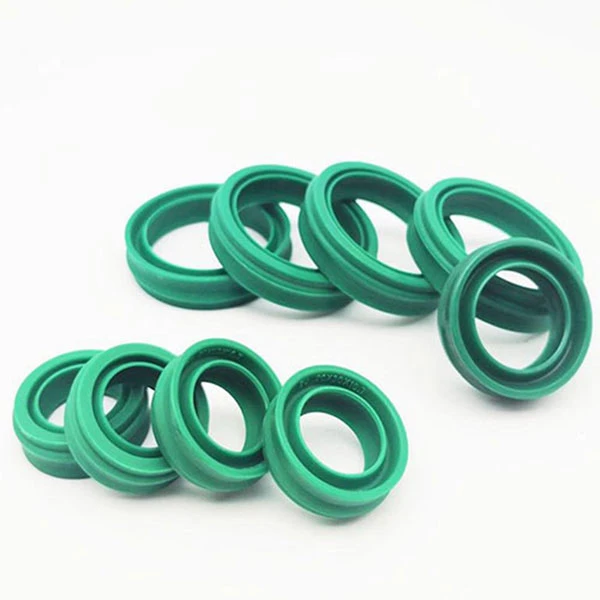

- Piston Seals: Piston seals are typically used in pneumatic cylinders and are designed to withstand high pressures. The working pressure range for piston seals can vary from a few psi (pounds per square inch) to several hundred psi, depending on the application.
- Rod Seals: Rod seals are used to seal the rod as it extends and retracts from the cylinder. The working pressure range for rod seals is typically lower than that of piston seals, ranging from a few psi to around 100 psi.
- Pneumatic Buffer Seals: Pneumatic buffer seals are used to absorb shock and reduce noise in pneumatic systems. The working pressure range for buffer seals can vary depending on the design and application, but it is typically in the range of 10 to 100 psi.
- Pneumatic Dust Seal: Pneumatic dust seals are used to prevent dust and debris from entering the system. The working pressure range for dust seals is typically low, ranging from a few psi to around 20 psi.
- High Pressure Pneumatic Seals: High pressure pneumatic seals are specifically designed to handle extremely high pressures. The working pressure range for high pressure seals can range from several hundred psi to several thousand psi, depending on the application.
Selecting the Right Pneumatic Seals for Your Application
Selecting the right pneumatic seals for your application is crucial to ensure the efficient and reliable operation of your pneumatic system. Here are some tips to help you make the right choice:
- Determine the Working Pressure Range: The first step in selecting the right pneumatic seals is to determine the working pressure range of your system. This will help you narrow down your options and select seals that are suitable for your application.
- Consider the Operating Conditions: In addition to the working pressure range, you also need to consider the operating conditions of your system, such as temperature, humidity, and the presence of contaminants. Make sure to select seals that are compatible with these conditions to ensure their long-term performance.
- Choose the Right Type of Seal: There are several types of pneumatic seals available, each with its own unique design and function. Make sure to choose the right type of seal for your application based on its specific requirements.
- Select the Right Material: The material used to manufacture the pneumatic seal also plays a crucial role in its performance. Make sure to select a material that is suitable for your application based on its properties, such as hardness, elasticity, and chemical resistance.
- Work with a Reputable Supplier: Working with a reputable supplier of pneumatic seals is essential to ensure that you get high-quality products and reliable service. Look for a supplier that has a proven track record in the industry and offers a wide range of products to meet your needs.
Conclusion
The working pressure range of pneumatic seals is a critical factor to consider when selecting seals for your pneumatic system. By understanding the factors that influence the working pressure range and selecting the right seals for your application, you can ensure the efficient and reliable operation of your system. As a supplier of pneumatic seals, I'm committed to providing high-quality products and expert advice to help you make the right choices for your pneumatic systems. If you have any questions or need assistance in selecting the right pneumatic seals for your application, please don't hesitate to contact us. We're here to help you find the best solutions for your needs.
References
- "Pneumatic Seals: A Comprehensive Guide." Sealing Solutions Magazine.
- "Working Pressure Ranges of Pneumatic Components." Industrial Pneumatics Journal.
- "Materials for Pneumatic Seals." Rubber and Plastics Technology Review.