
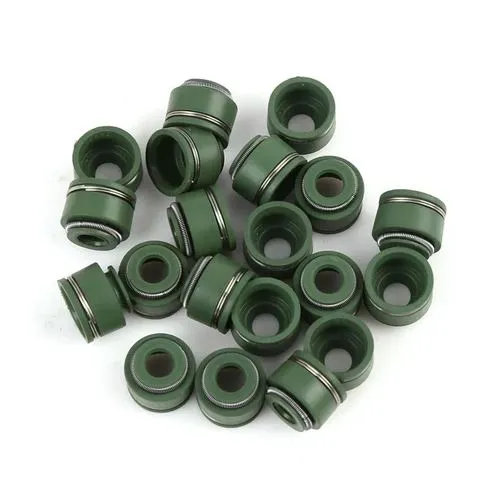


Stem rubber seals Description
Overview of stem rubber seals
Stem rubber seals are a vital part of the valve system, and their performance directly determines whether the valve can work properly and effectively. The main function of the stem rubber seal is to prevent the medium from leaking from the stem when the valve is closed, and to ensure that the valve can still maintain excellent sealing performance in harsh environments such as high pressure, high temperature and corrosion.
Stem rubber seals are usually made of rubber material, which has good elasticity, abrasion resistance, corrosion resistance, and sealing properties. Depending on the use environment and media characteristics, the material selection of rubber seals will also be different, such as natural rubber, butyl rubber, fluoroelastomer, etc.
| Product name | Stem rubber seals |
| Product material | Natural rubber, butyl rubber, fluorine rubber, etc |
| Hardness (Shore A) | 20 to 90 |
| Applicable temperature °C | -50 to 140 |
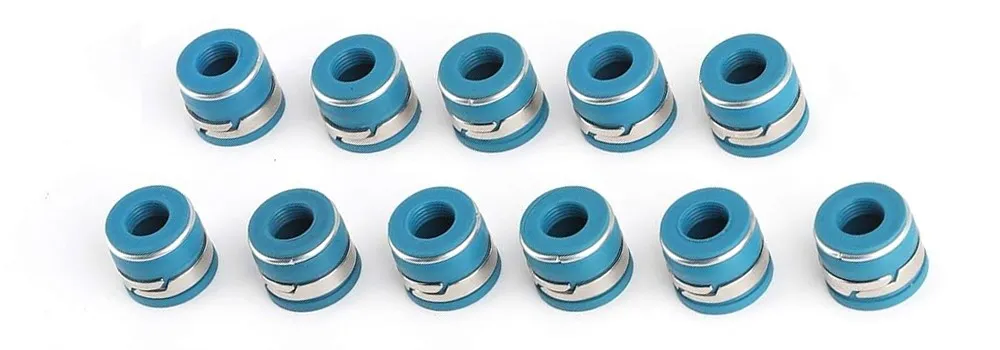
| Color | Black, orange, blue, yellow, green, custom |
| Size | Standard/ Custom |
| Advantage | High temperature resistance, wear resistance, corrosion resistance |
| Application | Petroleum, chemical, electric power, metallurgy, etc |
| Certification | ISO: 9001, ISO: 14001, IATF: 16949 |
Structural design of the stem rubber seal
The structural design of the stem rubber seal needs to consider many factors, including the working pressure, temperature, medium properties, shape and size of the sealing surface, etc. In general, stem rubber seals are made up of parts such as sealing rings, support rings, and fixings.
The sealing ring is the core part of the stem rubber seal, and its shape and size need to be designed according to the sealing surface of the valve. The inner diameter of the seal ring matches the outer diameter of the stem to ensure that the seal ring fits snugly on the stem. At the same time, the outer diameter of the sealing ring needs to be adapted to the sealing surface of the valve to achieve an effective sealing effect.
The support ring is mainly used to support the sealing ring to prevent it from deforming or shifting during the working process. The material of the support ring is usually a metal or plastic material with a certain hardness and strength.
Fixings are used to secure the seal ring and support ring to the stem to ensure that the seal remains stable during operation. The fixtures need to be designed with ease of removal and replacement in mind.
How the stem rubber seal works
The operating principle of the stem rubber seal is based on the elastic properties of the rubber material and the tight fit between the sealing ring and the valve stem and valve sealing surface. When the valve is closed, the sealing ring of the stem rubber seal is tightly attached to the stem and valve sealing surface under the action of pressure, forming an effective sealing barrier to prevent the medium from leaking from the stem.
The sealing performance of the stem rubber seal is affected by a variety of factors, such as the hardness of the rubber material, the amount of compression, the resilience performance, etc. Therefore, these factors need to be fully considered when selecting and designing stem rubber seals to ensure that the seals can maintain excellent sealing performance under a wide range of operating conditions.
Application areas for stem rubber seals
Stem rubber seals are widely used in various valve systems, especially in petroleum, chemical, electric power, metallurgy and other industries, which have strict requirements for the sealing performance of valves. For example, in the petroleum industry, valves are exposed to high pressures, high temperatures and corrosive media, while stem rubber seals prevent media leakage and ensure production safety.
In addition, with the improvement of environmental awareness and the implementation of energy conservation and emission reduction policies, the requirements for valve sealing performance are getting higher and higher. As an efficient and reliable sealing element, stem rubber seals also play an increasingly important role in the field of environmental protection and energy saving.
Maintenance and replacement of stem rubber seals
Stem rubber seals are subject to factors such as wear and aging during use, so they need to be maintained and replaced regularly. During maintenance, seals should be inspected for wear, deformation, and cracks or breakage. If a problem is found, it should be replaced in time.
When replacing the stem rubber seal, it is necessary to select the appropriate model and specification to ensure that the new seal matches the valve system. At the same time, attention should be paid to the operation specifications and safety matters during the replacement process to avoid damage to the valve system or safety accidents.
The development trend of stem rubber seals
With the advancement of science and technology and the continuous development of manufacturing processes, the performance and quality of stem rubber seals are also constantly improving. In the future, stem rubber seals will develop in the following directions:
Material innovation
With the continuous emergence of new rubber materials, the material properties of valve stem rubber seals will be further improved. The new materials will have better wear resistance, corrosion resistance and high temperature resistance to meet the requirements of more demanding working environments.
Structural optimization
By improving the structural design of the sealing ring, the fit and sealing performance of the sealing surface are improved. At the same time, the design of support rings and fixings is optimized to improve the stability and reliability of seals.
Intelligent development
With the popularization of the Internet of Things and intelligent technology, the valve system will gradually realize intelligent management. As an important part of the valve system, the stem rubber seal will also gradually realize intelligent monitoring and maintenance to improve the operation efficiency and safety of the valve system.
To sum up, as a key component in the valve system, the performance and quality of the stem rubber seal are of great significance to the normal operation of the valve system. Through continuous innovation of materials, optimization of structure and intelligent development, stem rubber seals will better meet the needs of various complex working environments, and make greater contributions to industrial production and environmental protection.

Here are the frequently asked questions and answers (FAQs) about stem rubber seals:
Q1: What is the main function of the stem rubber seal?
Answer 1: The main function of the stem rubber seal is to ensure the sealing performance when the valve is closed, preventing the fluid from leaking when the valve is closed. It forms an effective seal structure by tightly fitting the seat, maintaining the integrity and proper functioning of the piping system.
Q2: What are the usual material options for stem rubber seals?
Answer 2: There are various material options for stem rubber seals, such as natural rubber, butyl rubber, nitrile rubber, fluorine rubber, etc. These materials have different characteristics such as temperature resistance, pressure resistance, corrosion resistance, etc., and suitable materials can be selected according to the use environment and medium properties of the valve.
Q3: How can I tell if the stem rubber seal is damaged?
Answer 3: Damage to the stem rubber seal usually includes leakage, deformation, wear or aging. If you find that there is still fluid leakage after the valve is closed, or cracks or deformation appear on the surface of the seal, you need to consider replacing the seal with a new one.
Q4: How do I replace the stem rubber seal?
Answer 4: Replacing the stem rubber seal usually requires disassembling the valve first, removing the old seal, and then cleaning the seat and stem surfaces to ensure that there are no impurities and residues. Next, install the new seal onto the stem, taking care to make sure it's in the correct position and checking that it fits snugly into the seat. Finally, the valve is reassembled and tested to ensure good sealing.
Q5: How to maintain the stem rubber seal to prolong its service life?
A5: In order to prolong the service life of the stem rubber seal, regular maintenance and maintenance are required. This includes keeping valves and seals clean to avoid impurities and corrosives, regularly checking the condition of seals and replacing them if they are damaged, and avoiding valves working under harsh conditions such as overpressure and overtemperature to reduce damage to seals.
These are some frequently asked questions and answers about stem rubber seals, which I hope will help you. If you have any further questions or need more detailed information, please feel free to ask.
Tips: Please provide drawings for customized products, we can complete the samples within 4-8 working days.
Hot Tags: stem rubber seals, China stem rubber seals manufacturers, suppliers, factory, Faucet Sealing Rings, Special FS Seals, Packer Elements Tank, Rubber Gummiformteile, Sanitary And Drinking Water Seals, Tire SBR Rubber Seal Ring


