

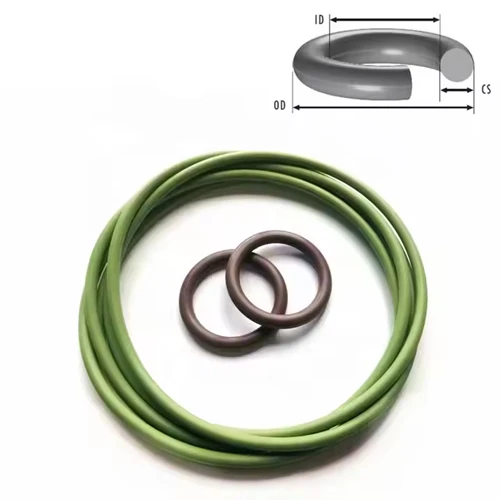


Linde Polymer Tec Co.,Ltd. is one of the most experienced manufacturers and suppliers of natural orifice surgical robot seals in China, also supports customized service. Please feel free to buy high quality natural orifice surgical robot seals for sale here from our factory.
Introduction to the contents of the natural orifice surgical robot seals
As an important breakthrough in modern medical technology, natural orifice surgical robots have shown their unique advantages in many surgical fields. This type of robot performs surgical operations through the natural orifice of the human body (such as the mouth, nasal cavity, rectum, vagina, etc.), which significantly reduces surgical trauma, speeds up postoperative recovery, and improves surgical accuracy. However, to achieve this technology, robotic systems must address a key problem: how to ensure tightness during surgery while maintaining the flexibility of surgical instruments to prevent fluid leakage and gas ingress to protect patients and maintain the sterility of the surgical environment. This article will detail the design, function, and importance of natural orifice surgical robot seals in surgery.
| Product name | Natural orifice surgical robot seals |
| Product material | Silicone, polyurethane, and fluoroelastomer, etc |
| Hardness (Shore A) | 20 to 90 |
| Applicable temperature °C | -50° to 260° |
| Color | Black, orange, blue, yellow, green, custom |
| Size | Standard/ Custom |
| Advantage | Chemical resistance, high temperature, and high-pressure resistance |
| Application | Natural orifice surgical robot |
| Certification | ISO: 9001, ISO: 14001, IATF: 16949 |
The importance of seals in natural orifice surgical robots
Seals are a key component in a natural orifice surgical robotic system, and their main function is to maintain a tight seal between the robotic arm and the natural orifice of the human body during surgery. This is critical to the success of the procedure and the safety of the patient.
Prevent leakage of body fluids
During the procedure, the patient's body fluids (such as blood, tissue fluid, etc.) may flow out of the surgical incision or natural orifice. If the seals are not effective in preventing the leakage of these fluids, it will not only affect the surgical vision but may also cause contamination of the surgical area and increase the risk of infection.
Prevent gas from entering
In some surgeries, such as laparoscopic surgery, gases (such as carbon dioxide) are used to enlarge the surgical field of view. If the seals are not tight, the gas may leak out of the surgical area, causing the patient's internal air pressure to rise, leading to complications such as subcutaneous emphysema.
Maintain a sterile environment
A sterile environment must be maintained during the procedure to prevent postoperative infection. Seals help maintain this sterility by preventing external microorganisms from entering the surgical area.
Protects surgical instruments: Seals also protect surgical instruments from body fluids and other contaminants, extending the life of the instruments.
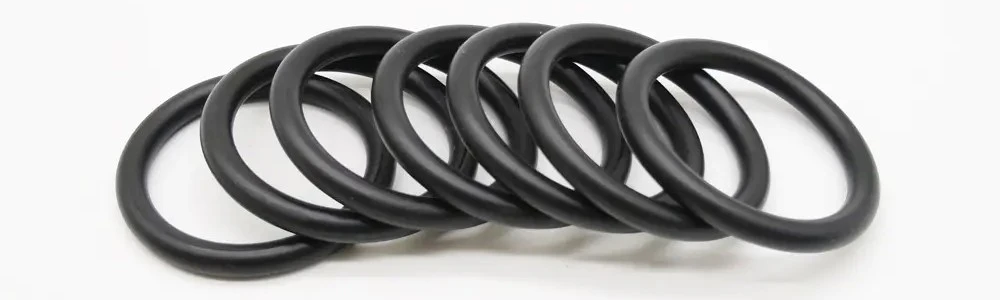
Design of seals for natural orifice surgical robots
The design of natural orifice surgical robot seals requires a combination of factors, including sealing performance, flexibility, durability, biocompatibility, and cost.
Material selection
Seals are typically made of materials with excellent elasticity and corrosion resistance, such as silicone, polyurethane, and fluoroelastomer. These materials not only have good sealing properties, but also can withstand high temperatures, pressures, and chemicals during surgery.
Structural design
The structural design of the seal must be able to accommodate the complex movements of the robot arm and the shape changes of the natural cavity of the human body. For example, MedRobotics' Flex system uses a highly articulated, multi-linked, "snake" robot arm with seals that need to be able to maintain tightness as the robot arm bends and twists.
Lubrication and friction
In order to reduce friction and wear between the seal and the robot arm or human tissue, a layer of lubricant or a self-lubricating material is usually applied to the surface of the seal. This not only improves the durability of the seals but also reduces noise and discomfort during surgery.
Biocompatibility
Seals must be biocompatible to avoid irritation or allergic reactions to human tissues. This requires that the sealing material does not release harmful substances when used in the human body and does not react adversely with human tissues.
Cost-effectiveness: Seals are also designed with cost-effectiveness in mind. Although high-quality seals can improve the safety and success rate of surgery, their price must also be controlled within a reasonable range to ensure the wide application and acceptability of surgical robots.
Hot Tags: natural orifice surgical robot seals, China natural orifice surgical robot seals manufacturers, suppliers, factory, PTFE Filled Carbon Lip Seals, Urinal Rubber Sealing Ring, U shape Heating Element Silicone Seal Rings, Submarine Cable Penetration O Ring, Aerospace O rings And Seals, Nitrile Rubber O Rings


