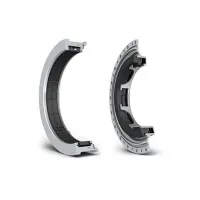


Engine cylinder head rubber seals Description
Introduction
The engine of a car is one of the core components of modern transportation, and the efficient operation of the engine is critical to the performance and reliability of the vehicle. As an important part of the upper part of the engine, the cylinder head plays the role of sealing and protecting the inside of the engine. When it comes to cylinder head sealing, rubber seals play an important role. This article will introduce the functions, characteristics and applications of automotive engine cylinder head rubber seals.
| Product name | Engine cylinder head rubber seals |
| Product material | FFKM EPDM HNBR / Other rubber / Custom |
| Hardness (Shore A) | 20 to 90 |
| Applicable temperature °C | -50 to 140 |
| Color | Black, orange, blue, yellow, green, custom |
| Size | Standard/ Custom |
| Advantage | The protective effect is remarkable, Easy to install, Strong durability, Eco-friendly materials |
| Application | Engine Cylinder head |
| Certification | ISO: 9001, ISO: 14001, IATF: 16949 |
The function of the rubber seal of the cylinder head
The rubber seal of the cylinder head is located between the cylinder head and the cylinder block, and mainly plays the following important functions:
Sealing function
Rubber seals effectively seal the gap between the cylinder head and the cylinder block, preventing leakage of liquids and gases inside the engine. It ensures the tightness of the coolant, oil and combustion chamber, preventing fluid leakage or gas leakage, thus keeping the engine working properly.
Shock absorption function
The operation of the engine generates vibrations and shocks, and the rubber seals can absorb some of the vibrations and shock forces, reduce the transmission to the cylinder head, and improve the service life of the cylinder head.
Thermal insulation function
The rubber seal has good thermal insulation performance, which can prevent the heat dissipation of high-temperature gas and coolant inside the engine and keep the engine temperature stable.

Features of rubber seals for cylinder heads
Cylinder head rubber seals have the following main features:
High temperature resistance
Due to the high temperatures generated during engine operation, rubber seals need to have good high temperature resistance to maintain their elasticity and tightness in high-temperature environments.
Oil resistance
Rubber seals need to be able to withstand corrosion and erosion from chemicals such as oil and coolant to ensure long-term stable performance.
Resilience and resilience
Rubber seals need to be resilient and resilient to be able to return to their original shape after being stressed, maintaining sealing performance.
Abrasion resistance
Rubber seals need to be wear-resistant and able to withstand friction and vibration during engine operation for a longer service life.

Application of rubber seals for cylinder heads
Cylinder head rubber seals are widely used in various types of engines, including gasoline and diesel engines. They play an important role in:
Seal between the cylinder head and the cylinder block
Rubber seals ensure the tightness of various channels inside the engine, such as coolant channels, oil channels and combustion chambers.
Prevent liquid leakage
Rubber seals prevent coolant or oil from leaking to the outside of the cylinder head, keeping the engine clean and tidy.
Improve combustion efficiency
Rubber seals ensure the tightness of the combustion chamber, prevent gas leakage, improve combustion efficiency and reduce energy loss.
Reduce noise and vibration
Rubber seals reduce noise and vibration during engine operation and improve ride comfort.
Increase engine life
The good sealing performance and durability of rubber seals can effectively extend the service life of the engine and reduce the frequency of maintenance and replacement.
Conclusion
Cylinder head rubber seals play an important role in automotive engines, not only to ensure the sealing and thermal insulation inside the engine, but also to reduce noise and vibration, and improve engine efficiency and reliability. With the development of the automotive industry, the requirements for cylinder head rubber seals are also getting higher and higher, and they need to have better high temperature resistance, oil resistance and wear resistance. In the future, with the continuous advancement of new materials and manufacturing technology, cylinder head rubber seals will continue to improve their performance and application range, and make greater contributions to the reliable operation of automobile engines.

Here are some frequently asked questions and answers
What are automotive engine cylinder head rubber seals?
Automotive engine cylinder head rubber seals are rubber seals that are located between the engine cylinder head and the cylinder block. Its main function is to ensure a seal between the cylinder head and the cylinder block to prevent coolant and oil leakage and to keep the pressure in the cylinder.
What is the function of cylinder head rubber seals?
The main role of cylinder head rubber seals is to ensure the normal operation of the engine. It effectively seals the interface between the cylinder head and the cylinder block, preventing coolant and oil from leaking inside or outside the cylinder. It is also able to maintain pressure in the cylinder, ensuring the tightness of the combustion chamber and the efficiency of the engine.
Do the cylinder head rubber seals need to be replaced?
Yes, cylinder head rubber seals usually need to be replaced regularly. Over time, rubber seals may lose their sealing ability due to wear, aging, or damage. If you notice a coolant or oil leak, or an issue with an engine overheating, this could be a sign that the rubber seal needs to be replaced.
How do I check if the cylinder head rubber seal needs to be replaced?
Checking whether the cylinder head rubber seal needs to be replaced can be done by:
- Observe for signs of coolant or oil leakage, especially around the cylinder head and cylinder block interfaces.
- Check if the engine is overheating, which may be due to a coolant leak.
- Watch for white smoke coming out of the exhaust pipe, which could be a sign that coolant has entered the combustion chamber.
If any of the above conditions are found, it is recommended to take the car to a professional technician for inspection and replacement as soon as possible.
How much does it cost to replace the cylinder head rubber seals?
The cost of replacing a cylinder head rubber seal will vary depending on a number of factors, including the make, model, region, and labor hour cost. In general, the cost of replacing a cylinder head rubber seal can range from a few hundred to several thousand dollars. It is advisable to consult your local car repair shop or dealer for an accurate quote.
Please note that these questions and answers are for informational purposes only and may vary by vehicle and region. If you have further questions or need more information about automotive engine cylinder head rubber seals, it is advisable to consult a professional automotive technician or dealer.
Hot Tags: engine cylinder head rubber seals, China engine cylinder head rubber seals manufacturers, suppliers, factory, Automobile XNBR Rubber Seals, Hose SBR Rubber Seal Ring, O Rings For Endoscopes, EPDM Rubber O Rings, Air Conditioner FVMQ Sealing O Rings, Automobile ACM Rubber Seals