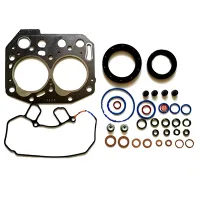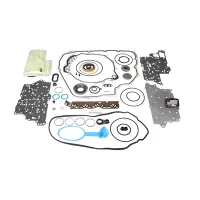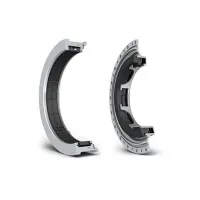
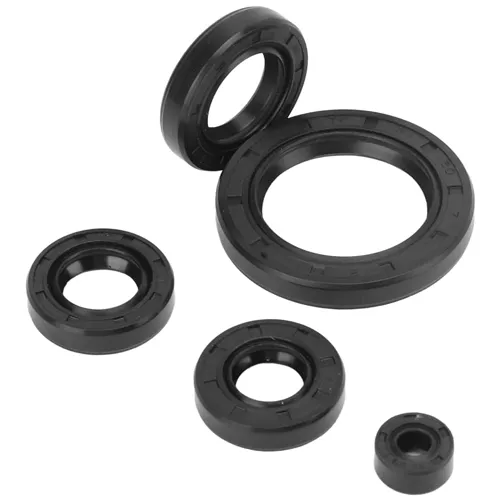
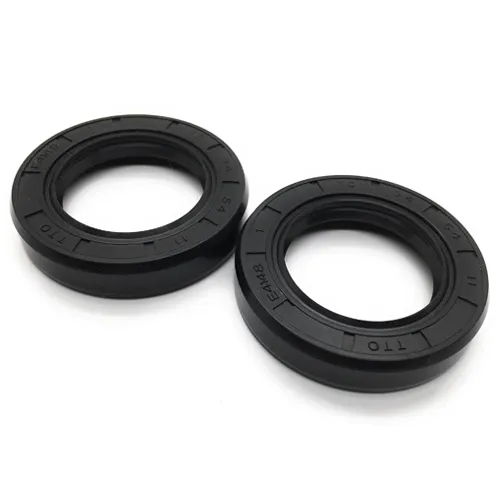
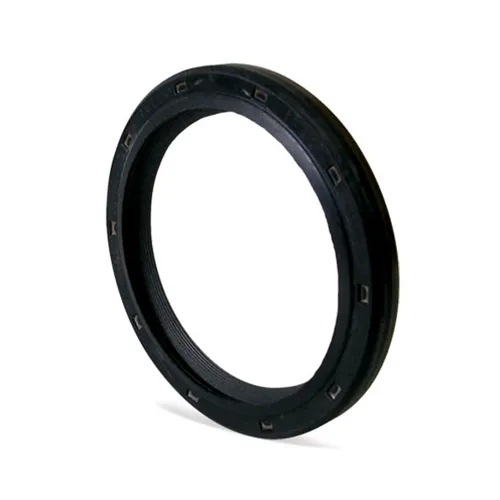
Crane engine crankshaft seal Description
Overview
As heavy machinery and equipment, cranes play a vital role in industrial production and construction. The engine is the core component of the crane, and its performance is directly related to the overall performance and service life of the crane. In engines, crankshaft seals, although seemingly small, have a role that cannot be ignored. The main function of crankshaft seals is to prevent oil leakage inside the engine and ensure the normal operation of the engine. Therefore, it is of great significance to understand and master the relevant knowledge of crane engine crankshaft seals to ensure the stable operation of the crane.
| Product name | Crane engine crankshaft seal |
| Product material | NBR, FKM, PTFE, PU |
| Hardness (Shore A) | 20 to 90 |
| Applicable temperature °C | -50 to 140 |
| Color | Black, orange, blue, yellow, green, custom |
| Size | Standard/ Custom |
| Advantage | High-temperature resistance, Abrasion resistance, Corrosion resistance, Elastic performance |
| Application | Crane engine |
| Certification | ISO: 9001, ISO: 14001, IATF: 16949 |
The structure and working principle of crankshaft seals
Crankshaft seals typically consist of components such as sealing rings, springs, and mounts. The sealing ring is the core component of the seal, and its material is mostly wear-resistant, high-temperature-resistant rubber or metal materials. Springs are used to provide preload between the sealing ring and the crankshaft, ensuring that the sealing ring fits snugly on the crankshaft surface. Mounts are used to secure the seals and ensure their stable operation in the engine.
During engine operation, the crankshaft seal uses the spring force inside it so that the sealing ring is always close to the surface of the crankshaft. When the crankshaft rotates, a dynamic seal is formed between the sealing ring and the crankshaft, which effectively prevents oil from leaking from the crankshaft. At the same time, the material and design of the seal also need to have good wear resistance and high-temperature resistance to cope with the high temperature and high pressure generated during the engine operation.
The importance of crankshaft seals
Crankshaft seals play a pivotal role in crane engines. First and foremost, crankshaft seals prevent oil leakage and ensure proper oil circulation inside the engine. Engine oil is the "blood" of the engine, and its role is to lubricate, cool, and clean the various parts inside the engine. If the engine oil leaks, it can lead to poor lubrication inside the engine, increased temperatures, and even serious mechanical failure. Therefore, the sealing performance of crankshaft seals directly affects the service life and stability of the engine.
Secondly, the advantages and disadvantages of crankshaft seals are also related to the operation efficiency and safety of the crane. If the seal performance is not good and the oil leakage is serious, it will lead to a decrease in engine power, an increase in fuel consumption, and even serious consequences such as engine stalling. This not only affects the efficiency of the crane's operation but also may cause safety hazards to the operator and the surrounding environment.
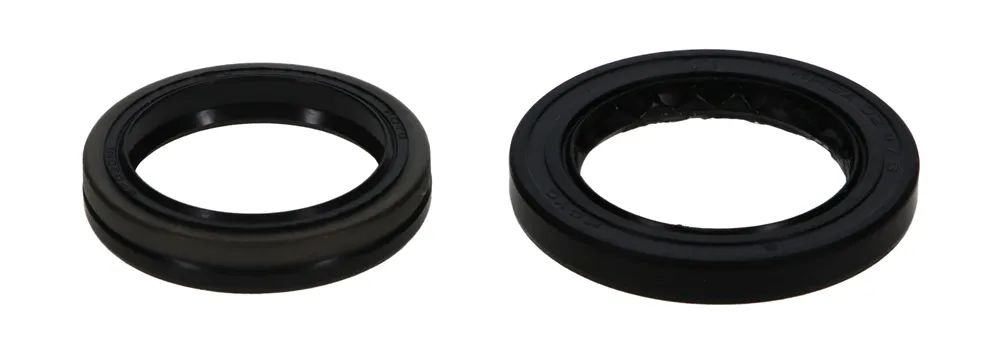
In addition, the quality of the crankshaft seals also affects the maintenance cost and cycle time of the crane. High-quality seals have high wear resistance and high-temperature resistance, which can maintain stable sealing performance for a long time, reduce the occurrence of engine failures, and reduce maintenance costs. Inferior seals are susceptible to damage, leading to frequent engine repairs, increased maintenance costs, and downtime.
Selection and installation of crankshaft seals
When purchasing crankshaft seals, factors such as the model of the crane, the specifications of the engine, and the working environment should be fully considered. Choose the right seal material, size, and performance class to ensure it meets the operational demands of your engine. At the same time, seals produced by regular manufacturers should be selected to avoid the risk of using inferior products.
When installing crankshaft seals, it should be carried out in strict accordance with the operating procedures. First, clean the crankshaft and mount surfaces of oil and impurities to ensure that the seals fit tightly. Secondly, install the seals in the correct installation direction and method to avoid leakage problems caused by improper installation. Finally, after the installation is complete, a leak check should be performed to ensure that the seal is working properly.
Maintenance and maintenance of crankshaft seals
To prolong the service life of crankshaft seals and reduce the engine failure rate, seals should be maintained and maintained regularly. First of all, regularly check the wear and tear of the seal, and replace it in time if it is found that the wear is serious or deformed. Secondly, keep the inside of the engine clean to avoid damage to the seals caused by oil and impurities. In addition, when changing the oil, you should choose the oil with reliable quality and change it in strict accordance with the specified replacement cycle to ensure the lubrication performance and cleanliness of the oil.
Epilogue
Crane engine crankshaft seals may seem small, but their role is crucial. It is of great significance to understand and master the relevant knowledge of crankshaft seals and to correctly select, install, and maintain seals, so as to ensure the stable operation of the crane, reduce maintenance costs, and improve operation efficiency. Therefore, we should pay full attention to the role of crankshaft seals, strengthen their research and application, and contribute to the development and progress of cranes.
The above is a detailed introduction to the crane engine crankshaft seals, I hope it can be helpful to you. In practical application, we should flexibly use relevant knowledge in combination with the specific situation to ensure the safe and efficient operation of the crane.
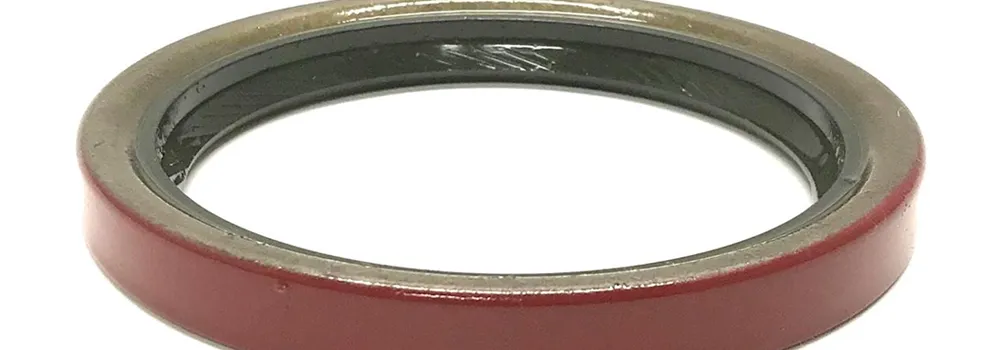
For FAQs about crane engine crankshaft seals, here are some frequently asked questions and answers:
Q1: What is a crane engine crankshaft seal?
A: Crane engine crankshaft seals are components used to ensure the sealing performance of the engine crankshaft section. Its main function is to prevent oil or other fluids from leaking from the crankcase, and at the same time prevent external contaminants from entering the crankcase, ensuring the normal operation of the engine.
Question 2: What is the importance of crane engine crankshaft seals?
A: The importance of crane engine crankshaft seals is that it is directly related to the efficiency and durability of the engine. If the seals fail, it can lead to oil leaks, which not only reduces the efficiency of the engine but also can cause environmental pollution. At the same time, the ingress of external contaminants can also cause damage to the inside of the engine.
Q3: How to choose the right crane engine crankshaft seal?
A: There are several factors to consider when choosing the right crane engine crankshaft seal, including the engine's model, specifications, and conditions of use. At the same time, it is also necessary to consider the material, size, sealing performance, and so on of the seal. It is advisable to consult a professional engine service person or consult the relevant technical manual to ensure that the appropriate seal is selected.
Q4: How to install crane engine crankshaft seals?
A: There are certain steps and precautions to follow when installing crane engine crankshaft seals. First and foremost, it is important to ensure that the installation environment is clean and free from the ingress of impurities and contaminants. Secondly, it needs to be carried out according to the correct installation steps, including cleaning the crankshaft surface, applying the right amount of lubricating oil, placing the seals correctly, etc. Finally, it is necessary to ensure that the seal after installation is good and that there are no leaks.
Q5: How to maintain and service the crane engine crankshaft seals?
A: The key to maintaining and servicing crane engine crankshaft seals is to inspect and replace them regularly. During use, the condition of the seals should be checked regularly, and if problems such as wear, aging, or leakage are found, they should be replaced in time. At the same time, it is important to keep the inside of the engine clean to avoid damage to the seals caused by impurities and contaminants.
Hopefully, these Q&As will help you better understand crane engine crankshaft seals. If you have more questions, please feel free to continue asking questions.
Hot Tags: crane engine crankshaft seal, China crane engine crankshaft seal manufacturers, suppliers, factory, Automotive Valve Stem Seals, Long Tube Wiring Grommet, Tire SBR Rubber Seal Ring, O Rings Seals, FFKM Rubber O Rings For Semiconductor, EPDM Rubber O Rings