

The conductive principle of rubber seals is based on the following aspects:
Conductive materials: Conductive seals are usually made of materials with good electrical conductivity, such as metals, carbon materials or conductive polymers. These materials have low resistivity and are able to allow current to pass through.
Contact conductivity: Conductive seals often need to be in contact with other conductive parts (such as metal housings, circuit boards, etc.) so that current can be transferred from one part to another. Through contact, a conductive path is established between the conductive seal and the other components, allowing the current to flow smoothly.
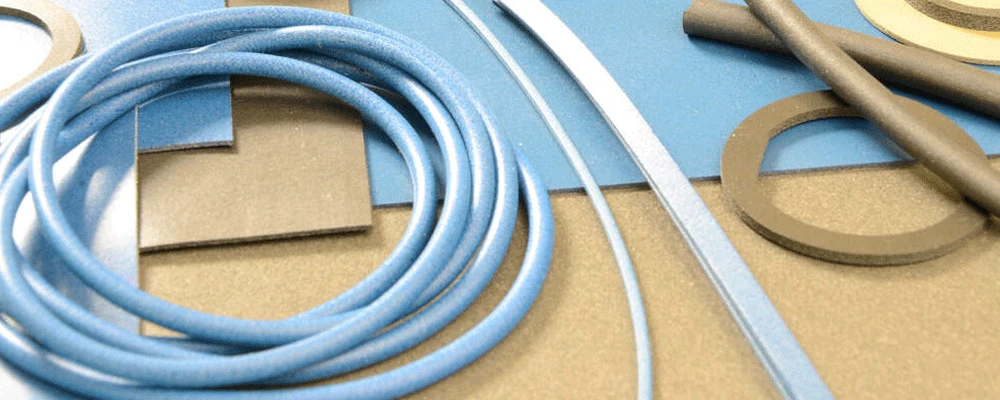
Pressure and contact force: Conductive seals usually need to ensure good contact with other components by applying pressure or contact force. Pressure can help increase the contact area and reduce the contact resistance.
Conductive path: Conductive seals are usually designed to have a conductive path so that current can be transmitted on or within their surface. This can be achieved by designing the shape, structure and distribution of conductive materials of the seal.
Optimized contact resistance: There is a contact resistance between the conductive seal and other components. In order to improve electrical conductivity, conductive seals are often designed to consider factors that reduce contact resistance, such as appropriate shape and construction, applying appropriate pressure and contact force to ensure that the contact area is sufficient and the contact is tight, thereby reducing contact resistance.
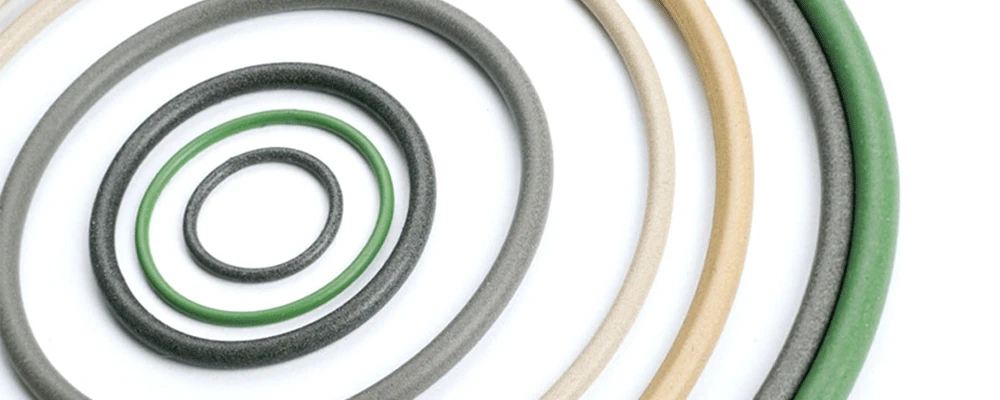
In summary, conductive seals can conduct electricity because they are made of conductive materials, in which free electrons can freely move inside the material to form an electric current, and establish a conductive path through contact with other conductive parts, and achieve smooth conduction of current by optimizing contact resistance. This enables conductive seals to be used where conductive functionality is required and ensures the transmission of current.


