

Introduction
Rubber seals are ubiquitous important elements in numerous industries and are widely utilized in mechanical equipment, cars, pipes and household goods. Rubber seals are made of elastic and long-lasting materials, but if they are used for an extended period of time and are not properly maintained, they may age, crack, or lose their original sealing qualities. Many purchasers are now concerned about how to prolong the service life of rubber seals through scientific maintenance. This post will discuss how to maintain rubber seals in terms of installation, cleaning, storage, and usage conditions.
1. Reasonable storage
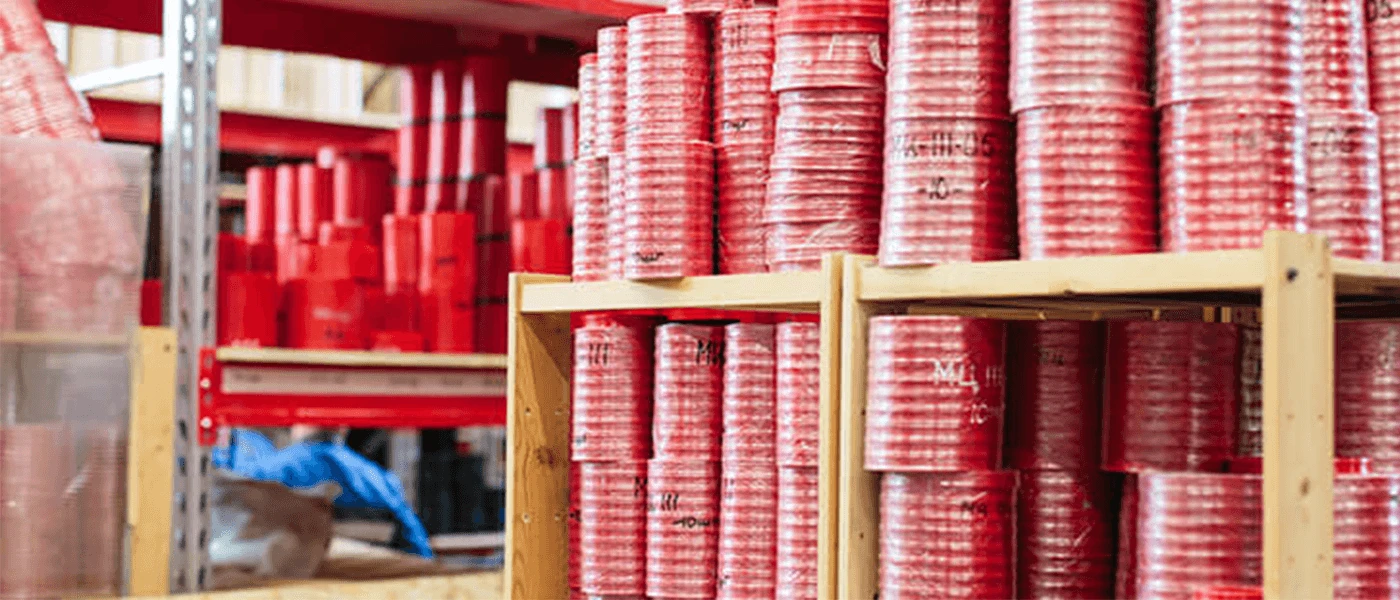
The first step in protecting rubber seals is storage. Environmental conditions can cause rubber materials to age or deteriorate if they are stored incorrectly. Here are some ideas for rubber seal storage:
- Steer clear of direct sunlight: Rubber is susceptible to UV rays, and prolonged exposure to sunlight will hasten its aging process and result in surface cracking or hardening. Select a dark, cool location for storage.
- The optimal temperature range for a storage environment is between 15 °C and 25 °C, while 50% to 70% relative humidity should be maintained. Temperature and humidity levels that are too high or too low will impact rubber's performance.
- Steer clear of chemicals: Rubber reacts readily with chemicals like grease and solvents, so it's best to keep your distance from them.
- Keep it free of pressure: To avoid the rubber seal deforming from prolonged pressure, avoid stacking heavy items while storing them.
2. Regular cleaning
Maintaining the functionality of rubber seals requires routine cleaning. Particular focus should be placed on the following areas while cleaning:
- Select the proper detergents: To prevent the rubber surface from corroding, use neutral detergents or special rubber cleansers instead of items with strong acids, strong alkalis, or solvents.
- Steer clear of rough tools: To prevent fine cracks or surface scratches, wipe rubber seals with a soft cloth or sponge.
- Dry completely: To avoid mold growth or rubber swelling from water absorption, the seal should be wiped dry as soon as possible after cleaning.
3. Pay attention to the use environment
Rubber seal life is directly impacted by the environment in which they are used. Temperature, pressure, and media must all be carefully taken into account in real-world applications:
- Temperature control: Steer clear of exposing the seal to extremes of temperature for an extended period of time. Ordinary rubber, for instance, may operate best at temperatures between -30 °C and 80 °C. Both high and low temperatures can cause the rubber to lose its flexibility or become harder or softer. Selecting high-performance materials like silicone or fluororruber is an option if it must function at extremely high temperatures.
- Adaptation of pressure: The seal is susceptible to deformation or failure if its design pressure is exceeded. One option for high-pressure situations is to use strengthened rubber seals.
- Media compatibility: The tolerance of various rubber compounds to chemical media varies. For instance, EPDM rubber is better suited for waterproof settings, although nitrile rubber (NBR) offers superior oil resistance. Verify that the seal and the working medium are compatible before using.
4. Correct installation
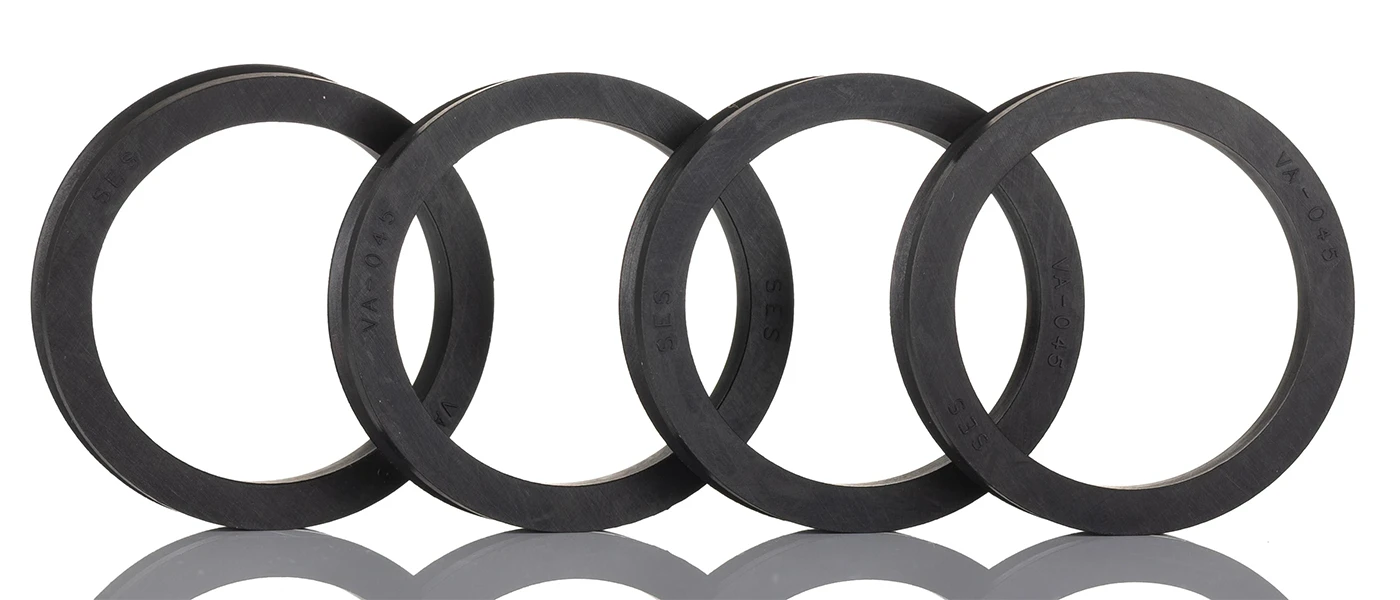
For rubber seals to function properly, the installation link is essential. You should be mindful of the following when installing:
- Verify the location of the installation: To prevent scratching the seal, make sure the installation groove or sealing surface is smooth, free of burrs and sharp objects.
- Select the proper lubricant: Mineral oil and lubricants with chemical solvents should be avoided, however using the optimum amount of lubricant during installation helps minimize friction. It is advised to use silicone grease or specialized rubber lubricant.
- Apply force uniformly: To prevent distortion or damage to the seal, avoid using too much force or operating unevenly during installation.
- Verify the installation effect: Following installation, conduct a basic sealing performance test to make sure the seal is fitted evenly.
5. Regular inspection and replacement
Rubber seals nevertheless have a limited lifespan, even with proper maintenance. The safety and dependability of equipment operation can be guaranteed by routine inspection and replacement.
- Frequent inspection: It is advised to perform a thorough examination of the seal every three to six months, paying particular attention to any surface cracks, deformation, or indications of aging.
- Timely replacement: The seal should be changed right away if it is discovered to be noticeably old or if its sealing capabilities have declined. Select a replacement that performs as well as the original model or better.
- Keep track of the usage cycle: You may make a better informed decision about the seal's replacement cycle by keeping track of the seal's use time and operating conditions.

6. Other tips to extend the life
Prevent excessive compression or stretching: Rubber seals should be kept in a reasonable operating state while in operation to prevent excessive compression or stretching.
Regular application of a protective chemical can successfully postpone the aging process and preserve the suppleness and elasticity of rubber.
Avoid prolonged static: Seals may adhere or distort if equipment is left idle for an extended period of time. To keep the seals active, it is advised to operate the equipment on a regular basis.
Summary
Rubber seals are typically tiny parts, but their lifespan and performance have a direct impact on the equipment's safety and operational effectiveness. The service life of rubber seals can be greatly increased by proper installation, prompt replacement, optimal use conditions, frequent cleaning, and sensible storage. This lowers maintenance costs and increases the equipment's overall dependability. Gaining proficiency in the aforementioned maintenance techniques will make you more adept at applying rubber seals and ensuring the equipment operates steadily.


