

Hydraulic systems are used in a wide range of industrial and mechanical equipment. The hydraulic cylinder is an important component of the hydraulic system. However, seals on hydraulic cylinders can wear, age, or get broken over time, resulting in leaks and diminished hydraulic system performance. As a result, replacing hydraulic cylinder seals regularly is a vital step in guaranteeing the system's efficiency. The processes and precautions for changing hydraulic cylinder seals are described in this article.
Preparation
The first step in changing a seal is getting the necessary equipment and supplies. Wrenches, rubber hammers, tools for extracting seals, hydraulic fluid, cleaners lubricants, etc. are some of these tools. Verify that all equipment and supplies are accessible and available.
Disconnect hydraulic system
Before replacing the seals, the hydraulic system needs to be detached. Make sure the hydraulic system is safe and that there is no pressure before turning off the hydraulic source. This can be done by turning on a connected safety valve or activating a vent valve in the system.
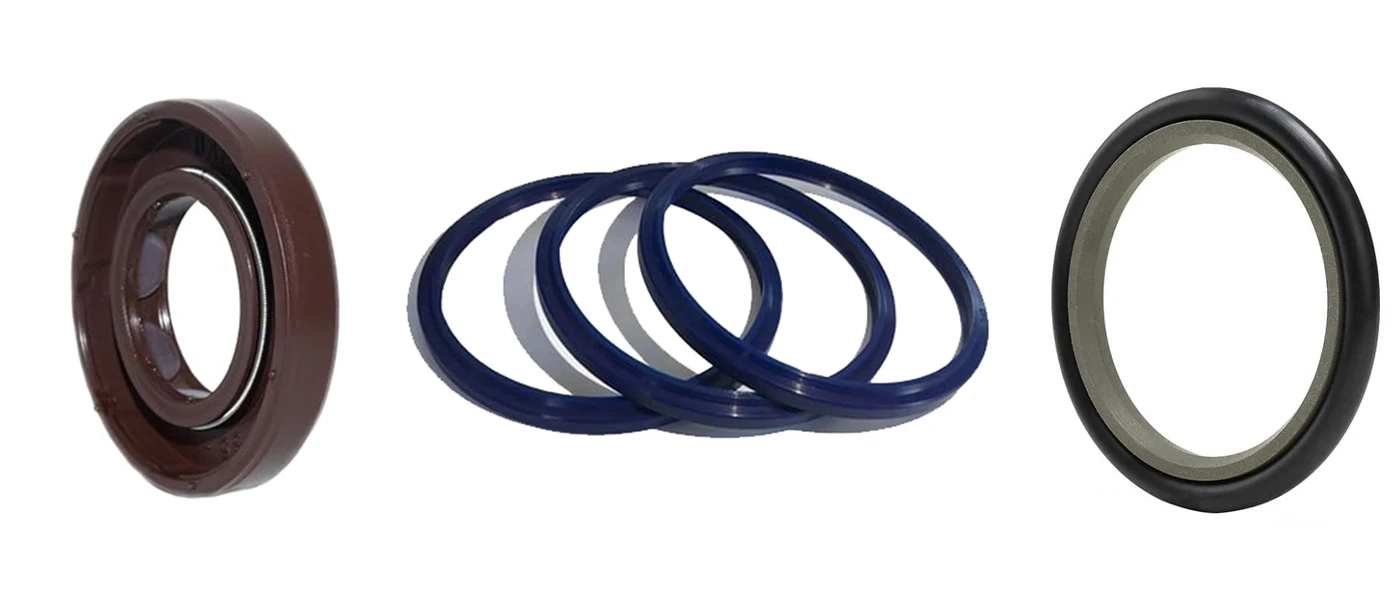
Disassemble hydraulic cylinder
The hydraulic cylinder should be removed using the proper tools. This might entail removing the sealing gland from the location of the seal and disconnecting the piston rod connection to the cylinder body. It is important to take precautions throughout this operation to avoid damaging the hydraulic cylinder or any other elements.
Remove old seal
The old seal should be carefully removed from the hydraulic cylinder using a seal extraction tool or other suitable instrument. Ensure that all debris and residue are completely removed from the sealed glands. The sealing gland may now be examined to see whether it needs to be replaced or repaired if it is worn out or broken.
Install new seal
A fresh seal has to be bathed in hydraulic oil to keep it lubricated and flexible before being installed. Make sure the new seal is installed and aligned correctly by carefully inserting it into the seal gland. Try not to apply too much force when installing the seal to prevent damage to it.
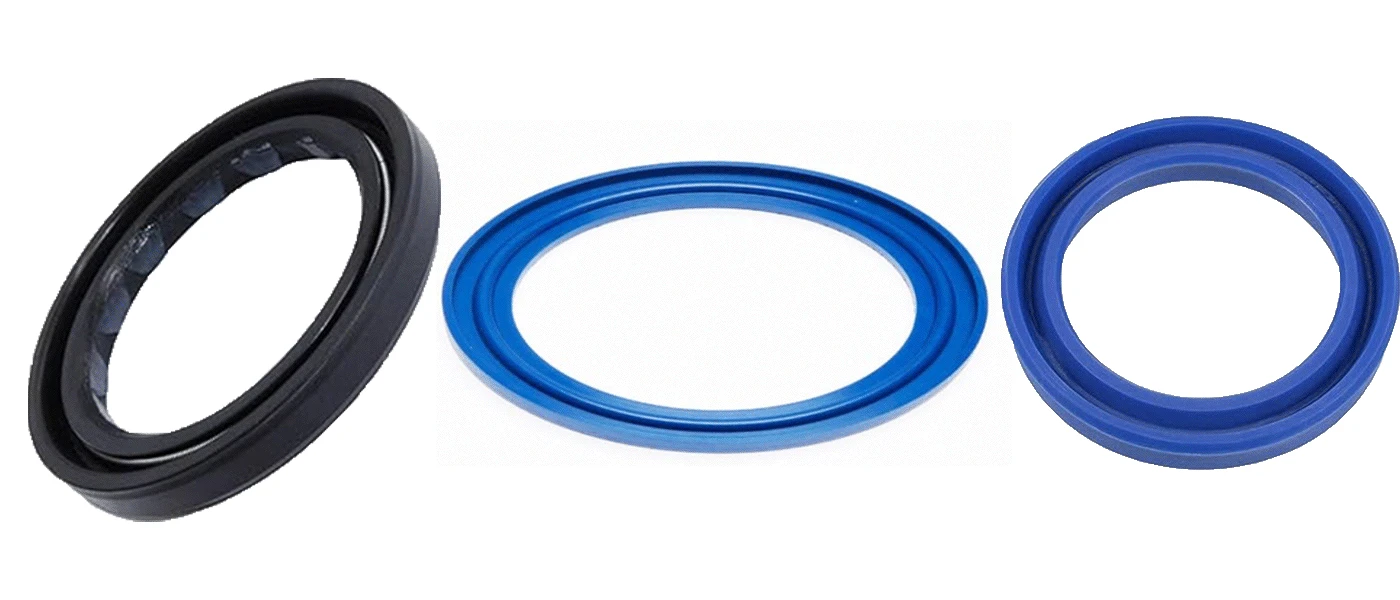
Reassemble hydraulic cylinder
Reassemble the hydraulic cylinder's numerous components. Ensure the piston rod is properly aligned and connected to the cylinder body. To correctly tighten bolts and nuts following the manufacturer's standards, use a torque wrench.
Testing and Debugging
Test and commission the hydraulic cylinder when it has been put back together. To guarantee correct seal installation and system performance, reconnect the hydraulic system and progressively raise the pressure. Inspect the area surrounding the hydraulic cylinder for leaks and monitor the system's operation.
In conclusion
Maintaining the effectiveness of your hydraulic system involves replacing the seals on your hydraulic cylinder. Leaks may be avoided, and system performance and reliability can be increased with routine seal replacement and inspection. Make sure you follow the right procedures, focus on safe operation, and use caution when changing seals. Seals need to be changed and maintained regularly to guarantee the longevity and dependability of your hydraulic system.


