

Maintenance method of rubber seals
Replace it regularly
Periodic Assessment: Regularly assess the condition of rubber seals based on the frequency of use of the equipment, the operating environment, and the material characteristics of the seals. In general, high-temperature, high-pressure, corrosive environments accelerate the aging of seals, requiring more frequent inspections and replacements.
Replacement cycle: Formulate a reasonable replacement cycle and replace it in strict accordance with the cycle. Typically, the manufacturer will provide a recommended replacement interval in the product manual, but it may need to be adjusted on a case-by-case basis.
Store it properly
Environmental control: Rubber seals should be stored in a dry, cool, and well-ventilated place, avoiding direct sunlight and high-temperature environments. Prolonged exposure to high temperatures or humidity accelerates the aging and deformation of seals.
Classified storage: Rubber seals of different types and materials should be stored separately to avoid mutual contamination or damage caused by mixing.
Protective measures: For seals that have not been used for a long time, a thin layer of anti-aging agent or talcum powder can be applied to their surface to reduce air contact and prevent aging.
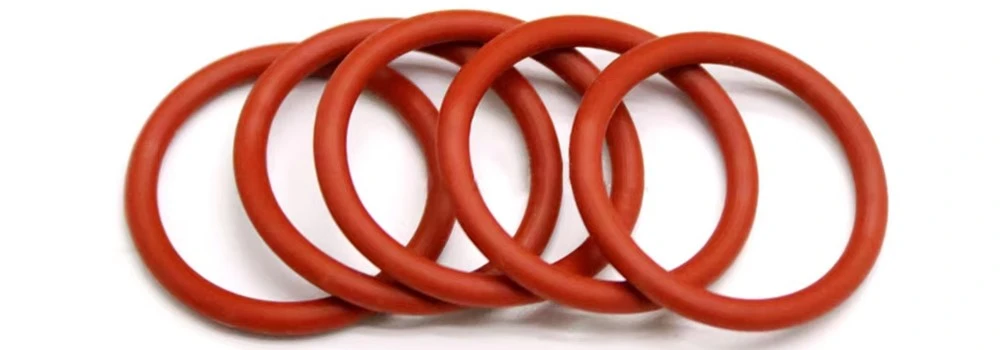
Clean carefully
Choice of cleaning agent: When cleaning rubber seals, choose neutral detergents or special rubber cleaners, and avoid using corrosive cleaning agents such as strong acids, strong alkalis, or organic solvents. These cleaners can damage the material structure of the seals and accelerate aging.
Cleaning steps: Gently wipe the surface of the seal with a soft cloth or sponge dipped in an appropriate amount of detergent, and then rinse with clean water. During the cleaning process, care should be taken to avoid using too much force or scratching the surface of the seal.
Drying treatment: The cleaned seals should be dried in time or wiped dry with a clean cloth to avoid mildew or deformation caused by moisture residue.
Proper installation
Pre-installation inspection: Before installing rubber seals, their surfaces should be carefully inspected for signs of damage, cracks, or aging. If any problems are found, new seals should be replaced in time.
Installation steps: Install according to the installation instructions provided by the equipment manufacturer to ensure that the direction and position of the seal are correct. Avoid using excessive force or tools during installation that may cause deformation or damage to the seals.
Tightness control: After the installation is completed, check whether the tightness of the seal is appropriate. Either too tight or too loose can result in a poor seal or damaged seal.

Regular inspection and maintenance
Regular inspection: Regularly inspect the chemical sterilizer and its rubber seals, including sealing performance, wear, aging degree, etc. If any problems are found, they should be dealt with and recorded in a timely manner for follow-up and analysis.
Maintenance records: Establish a detailed maintenance record sheet to record the time, content, results, and treatment measures of each inspection and maintenance. This helps to identify potential problems in a timely manner and take preventive measures accordingly.
Pay special attention
Avoid grease contact: Rubber seals should not come into contact with grease items, otherwise they will accelerate their aging rate. During storage and use, care should be taken to avoid contact with grease and grease items, and keep the seals dry and clean.
Safe operation: When carrying out maintenance operations, it is necessary to pay attention to the safety operation specifications and wear corresponding protective equipment such as gloves and glasses to prevent accidental injuries.
In summary, the service life and sealing performance of chemical sterilizer rubber seals can be effectively extended and improved through regular replacement, proper storage, careful cleaning, correct installation, and regular inspection and maintenance.


