

Lip seals (lip seals, oil seals, and diaphragms with lips) in hydraulic and pneumatic transmission are a common sealing device used to prevent fluid or gas leakage and maintain the normal operation of the system.
Lip seals are usually made of elastic materials such as rubber or polyurethane. Linde Polymer tells you that they are shaped like a lip and are usually cut from a round piece of material and then stretched and mounted in a sealing device.
In hydraulic systems, lip seals (Chinese can be called lip seals, oil seals, with lip diaphragms) are commonly used to prevent liquid leakage, especially between hydraulic cylinders and pistons.
The lip seal works by creating a seal between the piston and the hydraulic cylinder, preventing liquid from leaking out from the back of the piston. Lip seals are usually unidirectional seals, that is, they only prevent fluid from leaking out from one direction.
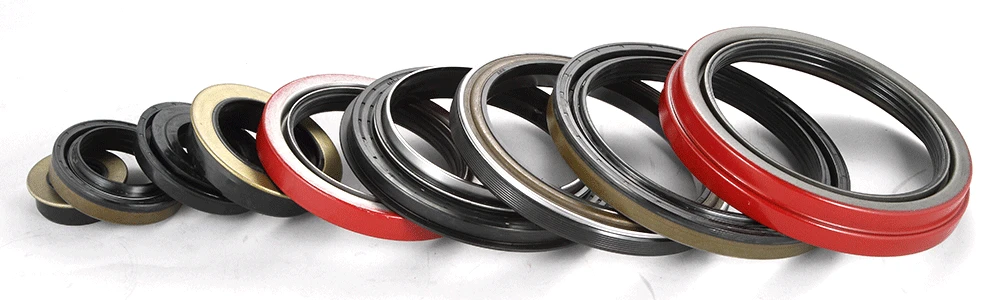
In pneumatic systems, lip seals are often used to prevent gas leakage, for example between cylinders and pistons. Lip seals work similarly to lip seals in hydraulic systems. They are also unidirectional sealed, only preventing gas from leaking out from one direction.
The advantages of lip seals include ease of installation and replacement, long life and lower cost. However, they also have some disadvantages, such as not being able to withstand high pressure and high temperatures, being susceptible to damage from chemicals and grease, and being prone to wear and age.
Therefore, when selecting lip seals (Chinese can be called lip seals, lip oil seals, with lip diaphragms), it is necessary to consider the working conditions and requirements of the system, and select suitable materials and designs to ensure the normal operation and long-term use of the system.

When selecting a lip seal, the following factors need to be considered:
1. Working conditions
These include pressure, temperature, medium, speed and other factors that can affect the performance and service life of the lip seal.
2. Material selection
Lip sealing ring material should have good wear resistance, chemical resistance, oil resistance and high temperature resistance. Common materials include nitrile rubber, polyurethane, fluoroelastomer, etc.
3. Design
The design of the lip seal ring should take into account the requirements and conditions of use of the seal, such as the size, elasticity, hardness, slope, etc. of the lip shape.
4. Installation and maintenance
The installation of lip seals (Chinese can be called lip seals, lip oil seals, with lip diaphragms) should follow certain steps and precautions to ensure their correct installation and service life. In addition, lip seals require regular maintenance and replacement to ensure proper operation of the system and extend the life of the seals.
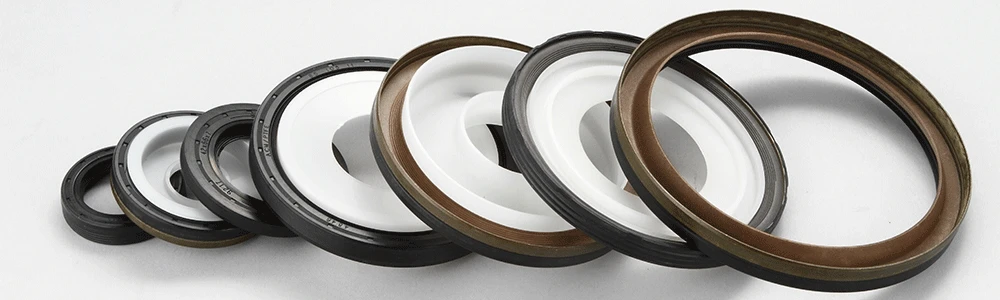
Lip sealing ring (Chinese can be called lip seal, lip oil seal, with lip diaphragm) is a very important sealing device in hydraulic and pneumatic transmission systems, which can effectively prevent fluid or gas leakage and maintain the normal operation of the system.
When selecting and using lip seals, it is necessary to consider the working conditions and requirements of the system, select suitable materials and designs, and follow the correct installation and maintenance methods to ensure the normal operation and long-term use of the system.


