

Introduce
Rubber seals serve an important function in industrial equipment, yet leakage issues frequently torment equipment maintenance staff. Timely diagnosis and repair of rubber seal leakage not only ensures normal equipment functioning, but also efficiently avoids safety hazards and economic losses caused by leakage. This article will go over the diagnosis method and repair approach for rubber seal leakage in depth, allowing you to rapidly resolve associated issues.
1. Diagnosis method of rubber seal leakage
(I) Observe the location and shape of the leakage
Static leakage: If the equipment leaks while stationary, it could be due to faulty seal installation, an incorrect seal groove size, or seal flaws. Examine whether the seal is fully embedded in the seal groove and whether there is any distortion or deformation.
Dynamic leakage: Leakage during equipment operation can be caused by high friction between the seal and the moving parts, which causes the seal to wear or distort. Check the seal's surface for signs of severe wear and an unacceptable gap between the moving pieces.
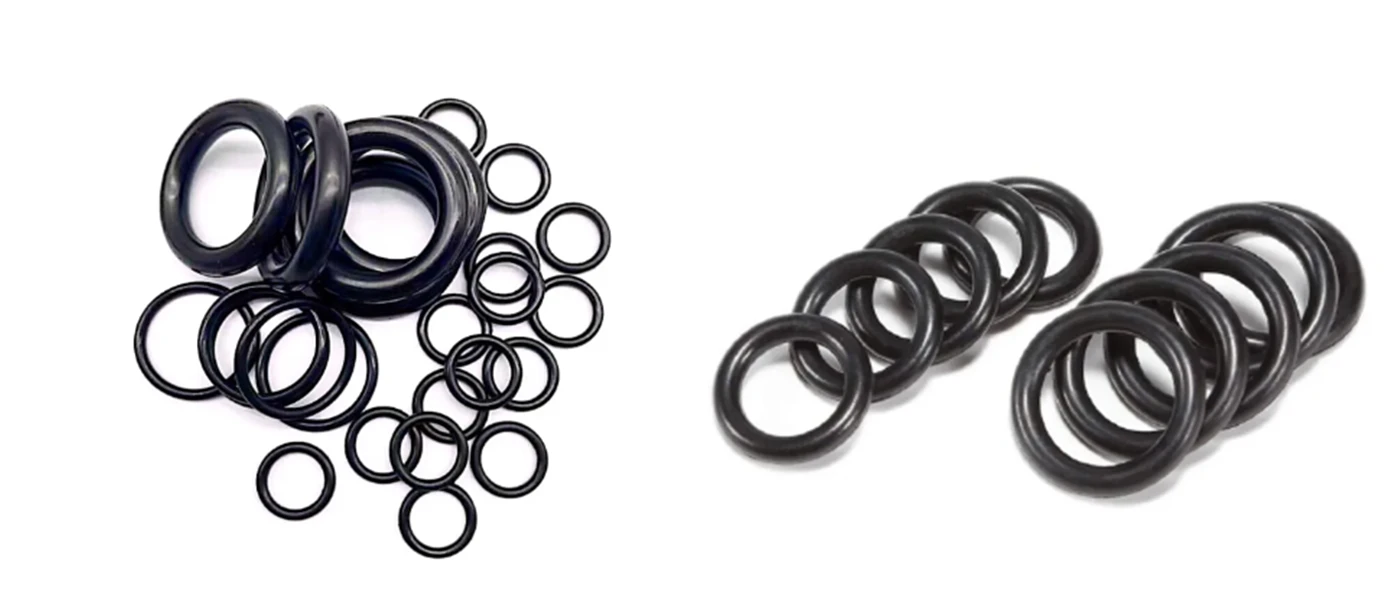
(II) Check the physical condition of the seal
Appearance inspection: Check the seal's surface for cracks, crazing, expansion, or hardening. These can be caused by aging, chemical corrosion, or excessive seal compression.
Elasticity test: Press the seal softly with your hand to see if it has good elasticity. If the seal loses flexibility, this could be due to a low temperature environment or material deterioration.
(III) Check the installation environment and conditions
Temperature and pressure: Determine whether the equipment's operational temperatures and pressures exceed the seal's tolerance range. If the temperature or pressure are excessively high, the seal may fail owing to thermal expansion or over-compression.
Chemical medium: Determine whether the seal is compatible with the chemical medium in the equipment. If the seal material reacts with the chemical media, the seal may swell, dissolve, or become rigid.
II. Repair methods for rubber seal leakage
(I) Replace the seal
If the seal is substantially broken or aged, the most straightforward option is to replace it with a new one. It is critical to select the appropriate seal material and specifications to ensure compatibility with the equipment's operating environment and media.
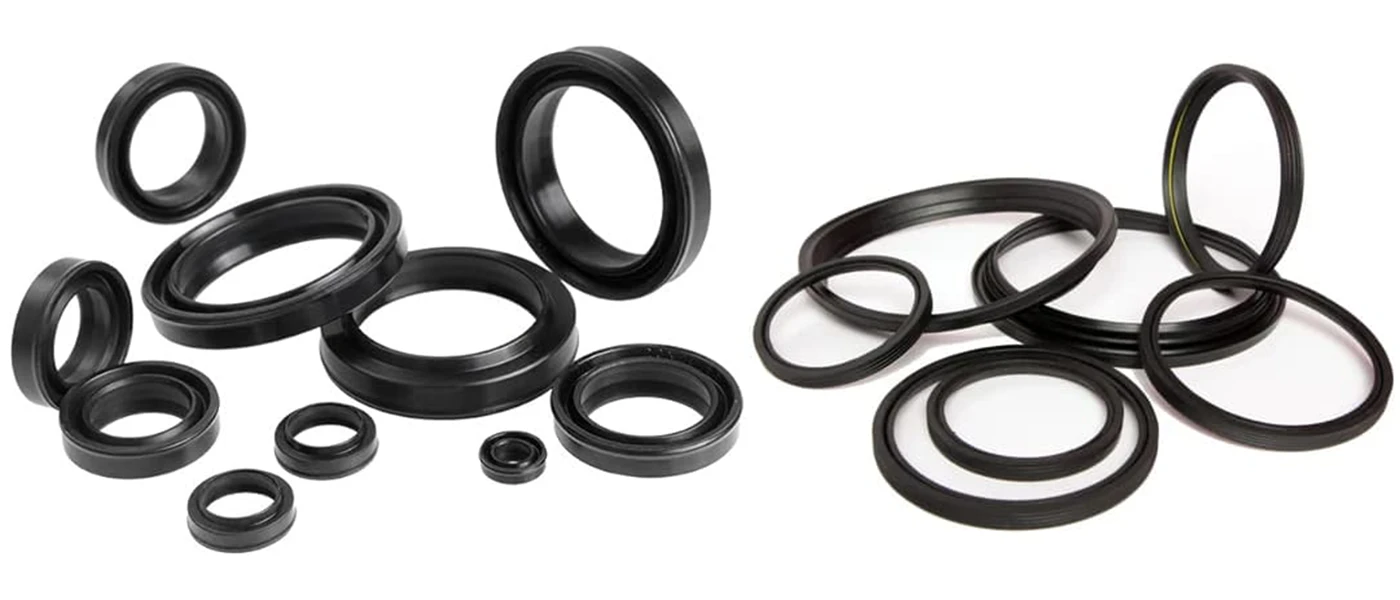
(II) Use self-repairing seals
In recent years, self-repairing sealing technology has gained popularity. For example, a self-repairing static seal contains a repair injection. When a leak occurs, the mending injection leaks along the damaged area and soon solidifies, re-forming the sealing surface. This seal not only repairs itself, but it also extends its service life and reliability.
(III) Optimize the seal design
Adjust the compression: If the seal leaks due to excessive compression, the issue can be resolved by changing the size of the seal groove or replacing a suitable seal.
Add protective devices: Attaching a protective retaining ring to the outside of the seal will effectively keep it from being damaged during installation or operation.
(IV) Surface treatment and coating
The seal surface can be treated or coated to improve wear and chemical corrosion resistance. For example, applying an anti-ultraviolet or paraffin coating can significantly limit the impact of external elements on the seal.
(V) Regular maintenance and inspection
Regular inspection: It is advised that rubber seals be checked on a regular basis in order to detect potential leakage hazards early on.
Cleaning and maintenance: Clean the seal's surface on a regular basis to prevent corrosion caused by dirt and contaminants.
III. Case analysis and suggestions
Case 1: Low temperature leakage
A factory's hydraulic equipment developed a leak in a low-temperature environment. After inspection, it was discovered that the O-shaped rubber seal lost flexibility at low temperatures. The answer is to replace the seal material with a more cold-resistant material and warm the equipment before beginning to ensure that the seal has good flexibility at low temperatures.
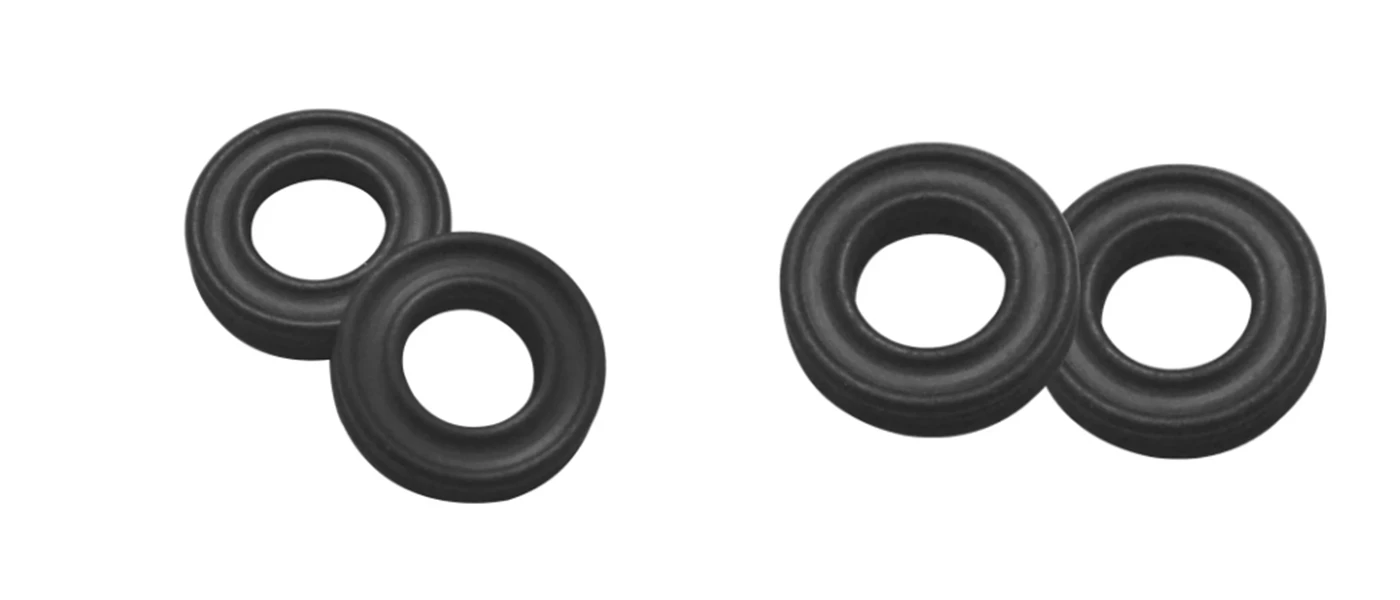
Case 2: Dynamic leakage
A mechanical device experienced dynamic leakage while in operation. After an investigation, it was discovered that the wear was caused by high friction between the seal and the moving components. The solution is to use a more wear-resistant seal material and apply lubricant to the seal surface to reduce friction.
IV. Summary
Although leakage of rubber seals is prevalent, it can be swiftly resolved and the seal's service life prolonged using proper diagnostic methods and effective repair techniques. In practical applications, it is recommended to choose a suitable repair procedure or replace a suitable seal material based on the equipment's operating environment and seal use status. At the same time, regular maintenance and inspection are critical steps for preventing leakage, which can effectively eliminate equipment downtime and financial losses caused by seal failure.
If you have any questions about diagnosing and repairing rubber seals, or if you require additional technical assistance, please contact us. We will supply you with competent solutions to help you overcome equipment leakage problems while also ensuring effective and safe operation of the equipment.


