
Introduction
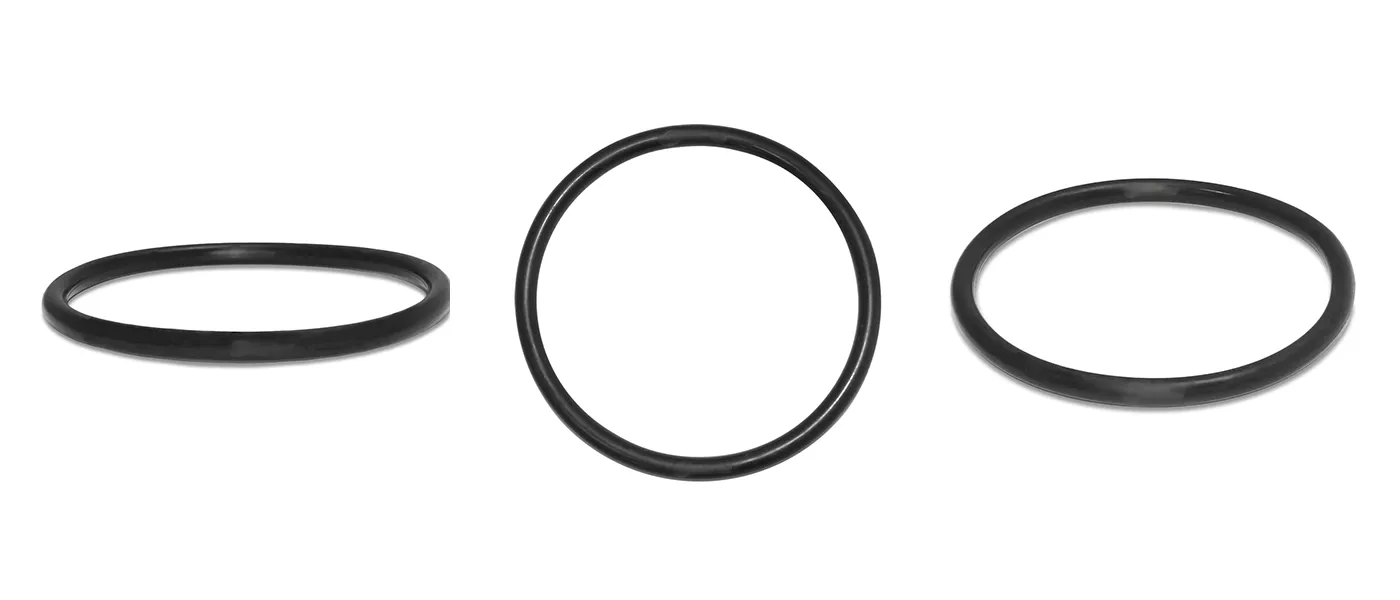
Rubber O-rings are essential components of many types of machinery and equipment. They are extensively utilized in several sectors, including chemicals, aerospace, automotive, and medical. They are now the go-to seals in many engineering projects due to their superior sealing capabilities and longevity. But how can one pick cost-effective and effective rubber O-rings from the vast array available on the market? The selection of appropriate rubber O-rings will be covered in full in this article, along with considerations for usage environment, size and tolerance, performance-price ratio, and material choice.
1. Material selection
Choosing the right material is the basis for ensuring the performance of O-rings. Common rubber materials are as follows:
1. Nitrile rubber (NBR)
One of the most popular O-ring materials is nitrile rubber. It is ideal for the majority of industrial applications because to its exceptional resistance to wear and oil, particularly in settings where natural gas and oil are present. Typically, it operates in the temperature range of -40°C to 120°C.
2. Fluororubber (FKM)
Fluororrubber is renowned for its superior resistance to chemical corrosion and high temperatures. Elasticity and sealing performance may be preserved across a temperature range of -20°C to 200°C, making it appropriate for use in difficult circumstances such as high temperatures and the chemical industry.
3. Silicone rubber (VMQ)
Excellent flexibility and tolerance to both high and low temperatures are features of silicone rubber. With a working temperature range of -60°C to 200°C, it finds widespread application in the food, medical equipment, and home appliance sectors.
4. Ethylene propylene rubber (EPDM)
With its exceptional resistance to aging, ozone, and chemical corrosion, EPDM finds application in outdoor and high-temperature water vapor conditions. It can operate between -50°C and 150°C.
2. Size and tolerance
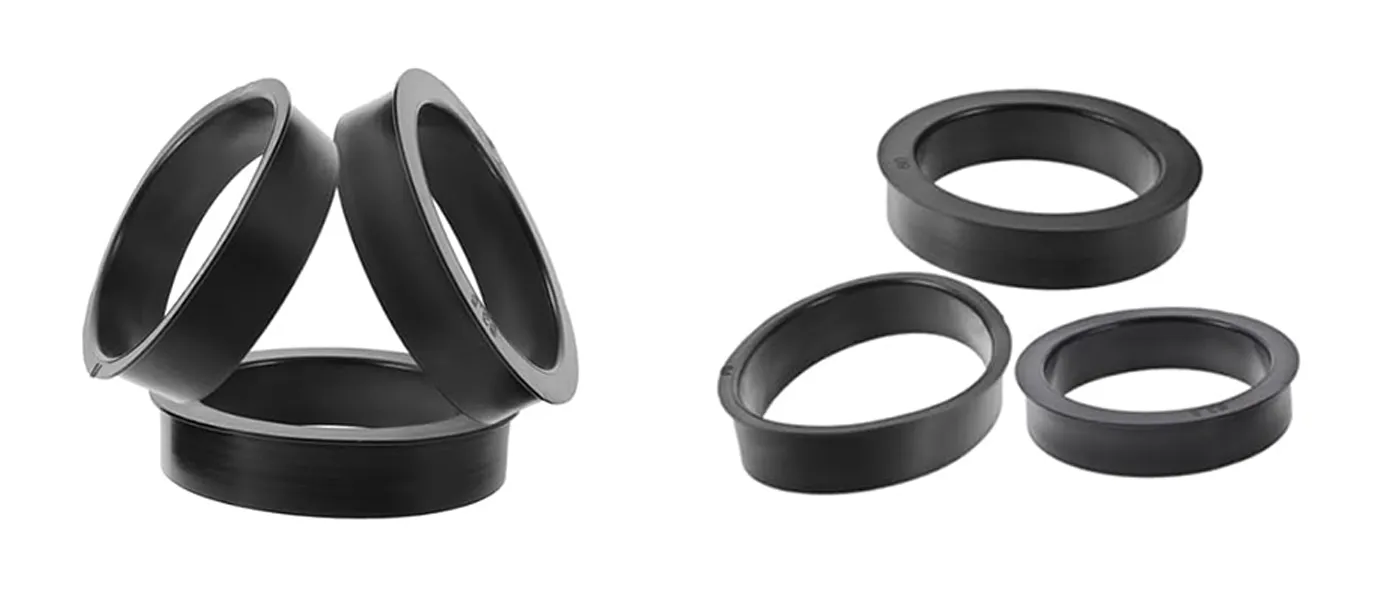
The O-ring's ability to function effectively depends on its size and tolerance. A size that is too big might make installation problematic, and a size that is too tiny might not offer enough sealing. In general, worldwide standards (such ISO 3601) should be consulted or modified in accordance with particular application needs when choosing O-rings. Furthermore, it is important to take into account elements like the stretching and compression ratios to guarantee optimal sealing performance of the O-ring following installation.
3. Use environment
When selecting a suitable rubber O-ring, you must consider its use environment, including factors such as temperature, medium, and pressure.
1. Temperature
The temperature ranges at which different rubber materials operate vary. Make sure the O-ring can continue to function within the anticipated operating temperature range before making your selection. For instance, silicone and fluororrubber function better in high temperature settings, whereas nitrile and silicone rubber work better in low temperature settings.
2. Medium
Pick a rubber material that is resistant to corrosion by the medium, taking into account the kind of liquid or gas in contact with the O-ring. Nitrile rubber, for instance, is appropriate for oils derived from petroleum, whereas fluororrubber is appropriate for strong acids, strong alkalis, and a range of chemical solvents.
3. Pressure
Ascertain the system's working pressure and select a rubber O-ring that is pressure-resistant. Materials with high pressure resistance should be chosen for high-pressure environments, and proper groove structure design should be given careful consideration to enhance the sealing effect.
4. Balance between performance and price
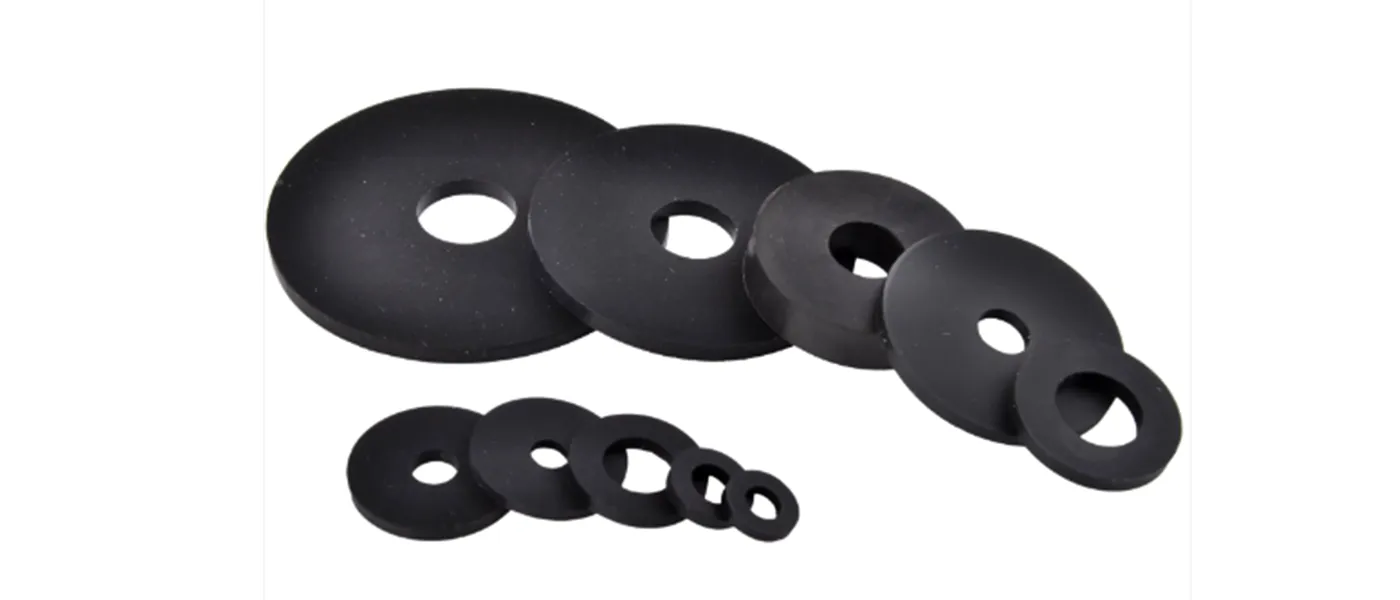
A full evaluation of the rubber O-ring's performance and service life should be done in addition to its price when selecting an economical option. Although high-quality O-rings are slightly more expensive, their longer service life and greater performance may eventually save you money. For instance, while though fluororubber has a greater initial cost, its superior performance and longevity in hot or chemically corrosive settings may cause replacements to occur less frequently, which would lower the cost of usage over time.
5. Supplier Selection
Selecting a reliable source is essential for guaranteeing O-ring performance and quality. Superior suppliers are able to offer competent technical assistance and after-sales service in addition to meeting standards-compliant items. It is advised that you check a supplier's quality control system, manufacturing capacity, and customer feedback before choosing one to make sure the goods and services it offers will fulfill your requirements.
Conclusion
A thorough evaluation of variables such materials, dimensions, tolerances, operating environment, and performance-price ratio is necessary when selecting rubber O-rings that are cost-effective. Your equipment's dependability and operational efficiency may be increased by carefully assessing your demands and working environment to determine the best course of action. I hope that this post will serve as a helpful resource for you when you select rubber O-rings. Please do not hesitate to contact our knowledgeable staff if you need more assistance or if you have any queries.


