
Introduction
The exploitation of marine resources, the building of marine equipment, and maritime transportation are just a few of the many disciplines that make up the vital industry of marine engineering. Sea engineering equipment and components must be able to survive extreme conditions because of the harsh natural features of the sea environment, which include high temperatures, salt spray, high pressure, and humidity. Rubber seals are therefore a common sealing component in many pieces of marine engineering equipment, particularly in the areas of waterproofing, anti-corrosion, and anti-leakage. The use and difficulties of rubber seals in marine engineering will be examined in this article, along with potential solutions.
Application of rubber seals in marine engineering
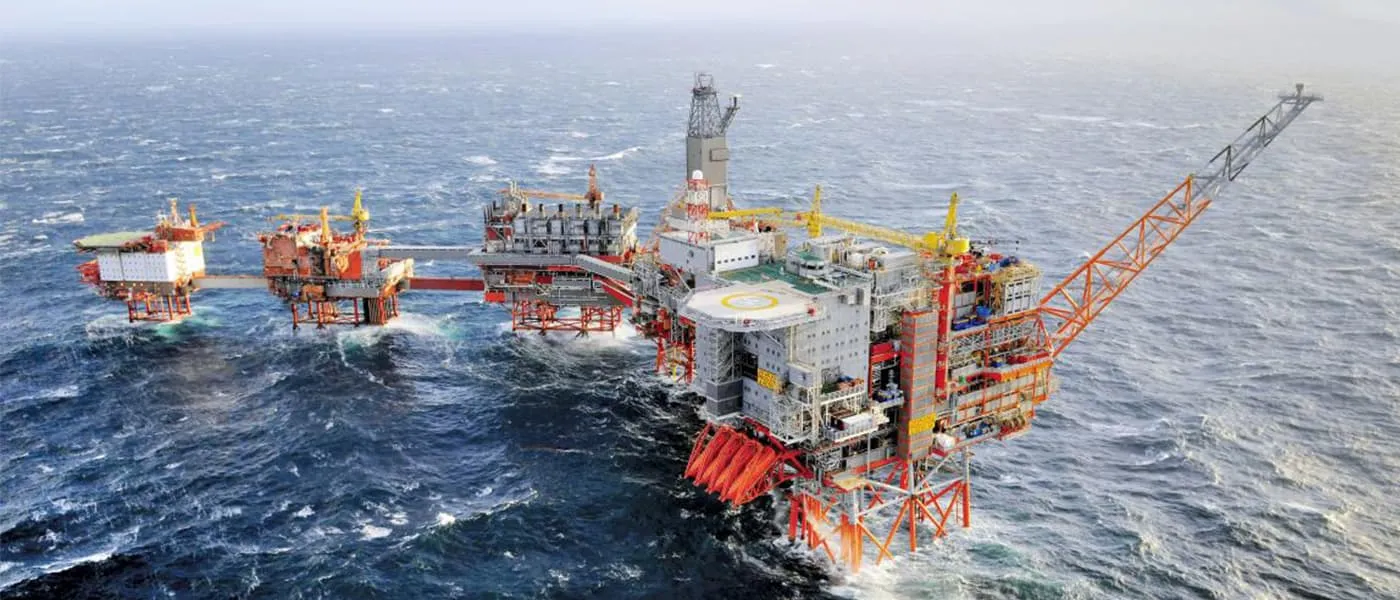
Waterproof sealing of offshore platforms
Core facilities for offshore wind power, offshore oil and gas exploration, and other projects are offshore platforms. They must endure severe conditions including waves, storms, and high pressure because they are typically erected on the sea surface. Rubber seals are primarily employed on offshore platforms to keep water out of the electrical and internal equipment systems and to shield such systems from corrosion and failure.
Rings, gaskets, sealing strips, and other rubber seals are frequently found in offshore platforms and are utilized in water pipe joints, cable interfaces, hatches, and valves. The seals must be very resistant to corrosion and water because the offshore platform is exposed to seawater for an extended period of time. Hydrogenated nitrile rubber (HNBR), fluororubber, and other compounds are frequently utilized. In situations with high levels of humidity and salt, these materials can continue to operate well as sealants.
Sealing protection of submarine pipelines
For the transportation of maritime gas and oil, submarine pipes are crucial infrastructure. Submarine pipeline construction and maintenance heavily relies on rubber seals. Seals are primarily employed in pipeline couplings, valves, joints, and other components of underwater pipelines to stop seawater intrusion and guarantee the secure transit of gas and oil.
Rubber sealing gaskets (such as polytetrafluoroethylene/PTFE and nitrile rubber/NBR gaskets) can effectively stop gas and liquid leaks and lessen the expansion and contraction of the pipeline brought on by external pressure or temperature changes, particularly at the pipeline's welding points and flange connections. Rubber seals can help lessen aging and wear by lowering friction between the pipeline and the nearby seafloor soil.

Sealing application in offshore wind power equipment
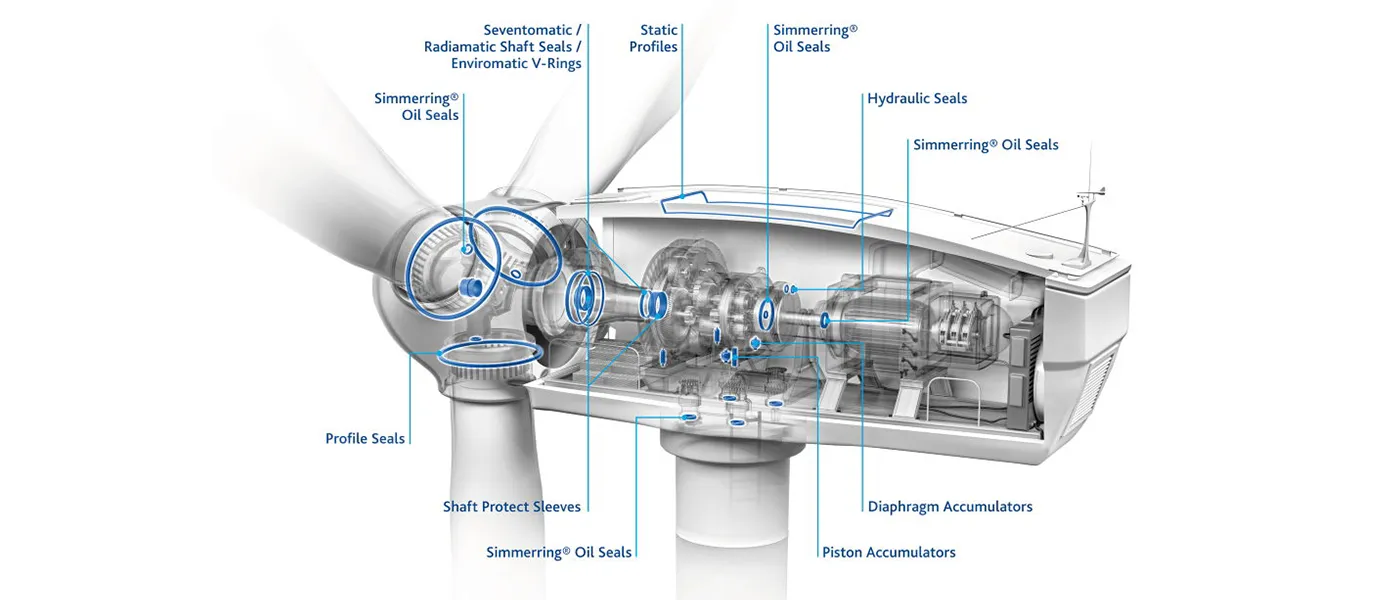
An increasing number of offshore wind farms are being constructed worldwide as a new renewable energy source. Sealing performance is especially crucial for offshore wind power equipment since it must operate in the water for extended periods of time. Rubber seals are utilized in undersea cable joints, generators, wind turbine cabins, and other offshore wind power equipment components.
Rubber seals used in wind power equipment need to be able to withstand corrosion, weather, and high pressure in order to withstand prolonged exposure to the marine environment. Rubber seals can successfully isolate the seawater and keep the mechanical and electrical components from becoming wet and rusting, particularly when the wind turbine cabin comes into touch with the sea. Rubber seals are also frequently utilized in offshore wind power equipment's floating platforms to guarantee the platform's stability and sealing.
Sealing of offshore ships and floating facilities
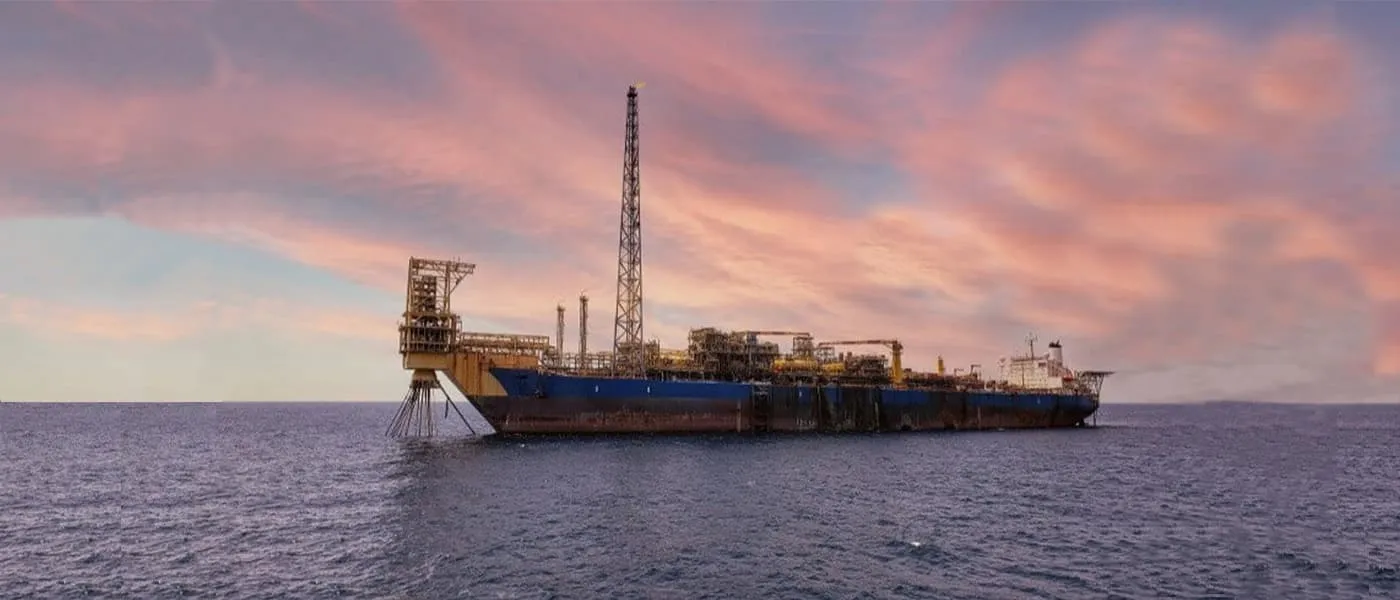
The waterproof and leakproof performance of offshore ships and floating facilities-such as floating oil and gas rigs, floating offshore hotels, etc.-is essential to safety because they are frequently subjected to powerful waves and storms. To keep seawater out of the machinery, rubber seals are utilized in these facilities for doors, windows, steering gears, mechanical connections, etc.
Rubber seals are mostly utilized to stop seawater from leaking via openings like bolts and flange connections where the ship's hull meets the sea. The maintainability and replaceability of rubber seals have become crucial design factors for offshore platforms and floating installations because they must be regularly patrolled and examined.
Challenges faced by rubber seals in marine engineering
Despite being commonly utilized in maritime engineering, rubber seals present numerous difficulties when used in harsh marine settings. The following are a few of the primary obstacles:
Seawater erosion and corrosion problems
Due to the high concentration of salt and corrosive substances in seawater, rubber seal materials must meet stricter specifications. In saltwater settings, traditional rubber materials are susceptible to aging, embrittlement, and expansion, which can lead to decreased sealing effectiveness and possibly leakage.
Using rubber materials that are resistant to saltwater corrosion, such as hydrogenated nitrile rubber (HNBR) and fluororubber (FKM), is the solution to this issue. These materials can effectively address the deterioration of rubber seals caused by seawater because they are very resistant to corrosion and high temperatures.
Challenges of high pressure and high temperature environment
Extremely high water pressure and temperature conditions are commonplace for maritime engineering equipment, particularly deep-sea oil and gas extraction equipment. In these harsh conditions, rubber seals must continue to have strong flexibility and sealing capabilities. However, in high-pressure and high-temperature settings, rubber materials are prone to aging and distortion, which can lead to seal failure.
R&D staff typically select high-performance rubber materials, including silicone rubber, fluororubber, etc., to address this difficulty. Long-term use of these materials can preserve their sealing capabilities due to their remarkable resilience to high temperatures and pressures.
Ultraviolet rays and climate change in the marine environment
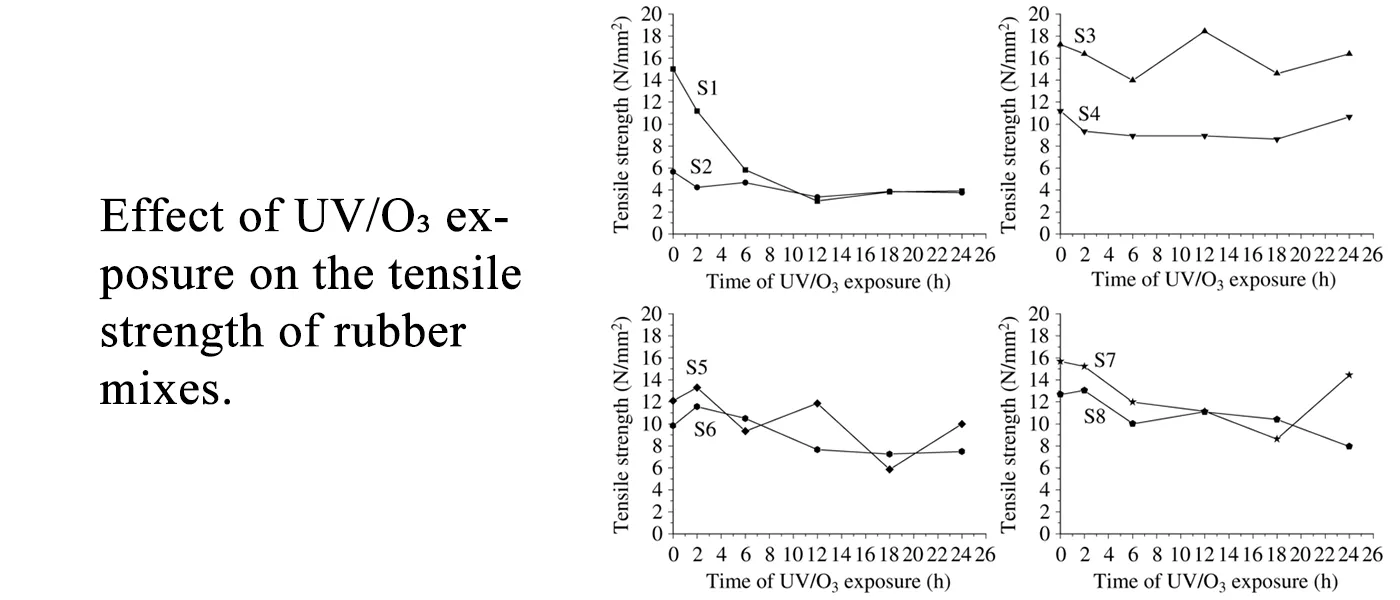
The effectiveness of rubber seals will also be impacted by temperature fluctuations, humidity, and ultraviolet radiation in the maritime environment. Rubber can age more quickly in the presence of ultraviolet radiation, and rubber seals may expand, contract, or even shatter as a result of significant changes in the maritime environment, including temperature fluctuations.
Rubber seals in maritime engineering must go through specific weather resistance testing and modification in order to satisfy these obstacles. For instance, adding anti-ultraviolet and antioxidant formulations can increase the stability of rubber seals under UV and climate change situations.
Complexity of installation and maintenance
Many equipment installations and maintenance in marine engineering must be done at sea, and the conditions for construction and maintenance are quite challenging. Unsatisfactory sealing results could arise from damage to rubber seals during installation. At the same time, regular maintenance and replacement of seals are necessary because of the unique characteristics of the marine environment.
Rubber seal replacement and maintenance are made easier by the increasing use of standardized and modular designs in marine projects as a solution to this issue. Furthermore, some high-end rubber seals have self-repairing technology that may partially fix minor damage, increasing the seals' dependability and endurance.
Summary and Outlook
Rubber seals are used extensively in ships, offshore wind power equipment, offshore platforms, underwater pipelines, and other facilities. They are essential to maritime engineering. Despite the fact that rubber seals encounter a number of difficulties, including corrosion from seawater, extreme heat and pressure, and climate change, these difficulties are progressively being resolved as material technology and sealing technology continue to evolve.
The improvement of corrosion resistance, high pressure resistance, temperature differential resistance, and other performances will be given more consideration in rubber seal research and development in the future. Additionally, as marine engineering advances into increasingly harsh and deep environments, research will also focus on the dependability and lifespan of seals. Rubber seals will become more important in marine engineering and offer a stronger assurance for the sustainable development and use of marine resources as a result of ongoing innovation and technical advancement.


