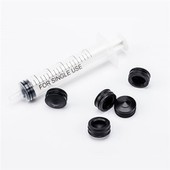
Automotive sealing gaskets Description
Introduction of automotive sealing gaskets
Automotive sealing gaskets are an important component of any automobile.
These gaskets are used to seal different parts of the car, such as the engine, transmission, and exhaust system.
They play an essential role in preventing leaks, reducing noise, and ensuring the overall efficiency of the vehicle.
| Product name | Automotive sealing gaskets |
| Material | Rubber/ Silicone/ Cuaston |
| Hardness (Shore A) | 20 to 90 |
| Applicable temperature °C | -60 to 300 |
| Color | Black, orange, blue, yellow, green, custom |
| Size | Standard/ Custom |
| Advantage | Wear resistance, high pressure resistance, high temperature resistance, corrosion resistance |
| Application | Engine, transmission, braking, cooling and exhaust systems |
There are different types of automotive sealing gaskets, including rubber, silicone, cork, and graphite.
Each type is specific to different parts of the car. For example, rubber gaskets are commonly used in engine seals because they can withstand high temperatures and pressure.
Silicone gaskets are perfect for parts that require flexibility and resilience. Cork gaskets are commonly used in the oil pan, transmission, and differential seals.
Graphite gaskets are used in exhaust manifold seals because of their resistance to high temperatures.

Automotive sealing gaskets are essential for ensuring the safety and reliability of any car.
They prevent harmful gases and fluids from leaking, which can damage the engine and cause accidents.
Gaskets also help reduce noise and vibrations, making the ride more comfortable.