
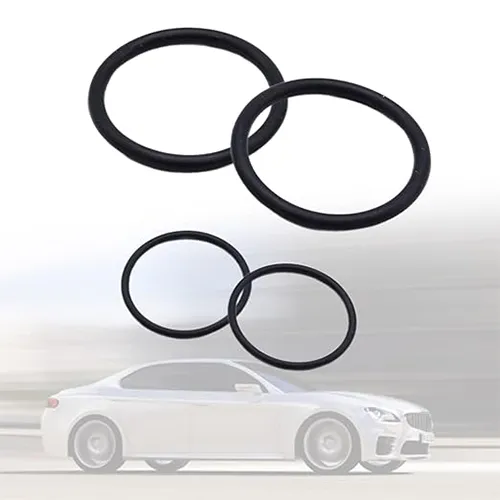


What are solenoid valves rubber seal rings
The solenoid valve is a widely used instrument for fluid control. Fluids are opened and closed under the influence of electromagnetic energy. Rubber seal rings for solenoid valves are a crucial component that guarantee the valve's ability to seal. High-grade rubber materials, such as silicone rubber (VMQ), fluoroelastomer (FKM), or nitrile rubber (NBR), are used to make the sealing ring. These rubber materials can tolerate high temperatures and high pressure settings, and they also offer exceptional sealing qualities and chemical resistance. Its primary purpose is to prevent fluid leakage by acting as a seal when the solenoid valve is closed. The magnetic field that results from energizing a solenoid valve's coil attracts the valve, opening or closing it. The valve and the valve body are separated by the sealing ring. The rubber sealing ring is squeezed to provide a seal when the valve is closed. Based on particular operating circumstances and media, the choice of rubber sealing rings should be made. For instance, it's important to select rubber materials that can tolerate high temperatures in high-temperature settings. Rubber materials with resistance to chemical corrosion must also be used in some specialized industrial domains, such as the chemical industry, oil and gas, etc.
Conditions for use of solenoid valves rubber seal rings
-
Temperature range: The recommended temperature range is where solenoid valve rubber seal rings should be utilized. If this range is exceeded, the rubber material may age, becoming harder or softer, which will reduce its ability to seal. As a result, you must make sure the rubber seal you choose can endure the anticipated operating temperatures.
-
Pressure range: The anticipated operating pressure must be withstood by the rubber seal. The sealing ring may bend or shatter under excessive pressure, which would impair sealing effectiveness. As a result, you must make sure the rubber seal you choose has enough pressure resistance in its substance.
-
Media characteristics: Rubber seal rings for solenoid valves must be compatible with a certain type of media. Certain media have the potential to be soluble or corrosive, which might harm or cause the rubber substance to swell. When choosing a rubber seal, you should take the medium's chemical makeup into account and go with a rubber kind that won't corrode chemically.
-
Operating frequency: The rubber seal must be resilient enough to endure repeated switching operations. The rubber material may get fatigued or harmed by excessive operation frequency, which would lower sealing ability. As a result, you must choose a material with enough durability and take into account the necessary working frequency when choosing a rubber seal.
-
Environmental conditions: Humidity, vibration, corrosive gasses, and other elements must be taken into account in addition to the previously mentioned considerations. These elements must be carefully taken into account as they may affect the rubber sealing ring's lifespan and function.

Technical data
( If you need to customize this product, you need to provide us with the relevant drawings )
|
Material |
FKM |
|
Density |
1.8 - 2.0 g/cm³ |
|
Hardness |
70 - 90 Shore A |
|
Tensile strength |
10 - 20 MPa |
|
Elongation |
100 - 300% |
Advantage
-
Good sealing performance: Rubber seal rings used in solenoid valves can offer dependable sealing performance and stop fluid leaks. The rubber sealing ring is squeezed to provide an effective seal when the solenoid valve is closed, preventing fluid from passing through.
-
Chemical corrosion resistance: Special rubber materials with high chemical corrosion resistance, such nitrile rubber (NBR) or fluorine rubber (FKM), are typically used in rubber seals. Because of this, they may continue to function well as sealants in corrosive media and are appropriate for use in a variety of specialized industrial domains, including the chemical industry, oil and gas, etc.
-
High resistance to temperature and pressure: The rubber sealing ring is resistant to temperature and pressure. Different materials' seals can function in a broad range of temperatures, from freezing to very hot. They can also sustain a certain level of pressure in order to guarantee sealing performance in high-pressure settings.
-
Easy design and installation: The design and installation of solenoid valve rubber seal rings is comparatively easy. To make installation and replacement easier, they are often found in the form of rings or O-rings between the solenoid valve's valve and valve body.
-
Cost-Effectiveness: Rubber sealing rings are an option for a variety of applications since they are often less expensive than alternative sealing materials. They have cheap production and maintenance costs and offer dependable sealing performance.
Hot Tags: solenoid valves rubber seal rings, China solenoid valves rubber seal rings manufacturers, suppliers, factory, Bulkhead Firewall Grommet Plug Connector, Aerospace HNBR Rubber Seals, Automobile ACM Rubber Seals, Automotive Rubber Washers, Rubber Wiring Harness Sheath, FVMQ Rubber Washers


