


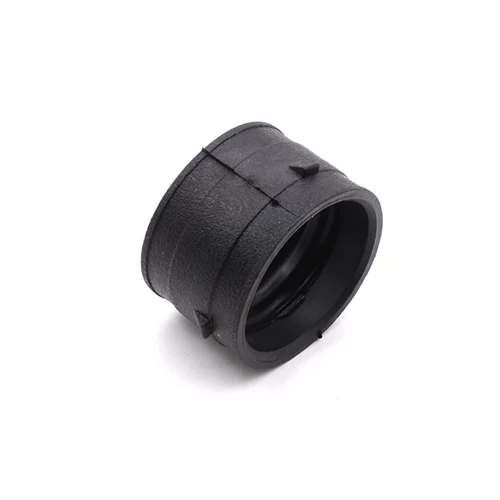
Manifold Gasket Emission Coupler Description
Manifold gasket emission coupler is a key component used in internal combustion engines. It seals and joins the intake and exhaust manifolds, which are situated between the engine crankcase cover and these parts. The primary purpose of the crankcase gasket is to stop gas and exhaust fumes from seeping into the crankcase from the intake and exhaust manifolds. Its sealing performance guarantees regular engine functioning and lowers dangerous gas emissions. In addition, it can shield the engine's internal parts from damage and keep outside contaminants out of the crankcase. It can tolerate harsh operating circumstances including high pressure, high temperature, and engine vibration, guaranteeing the dependability and longevity of sealing performance. It has a significant impact on pollution control and engine performance. Engine performance and emissions control may be impacted by gas and exhaust gas leaks caused by a broken or aging gasket. Crankcase gasket replacement and routine maintenance are therefore crucial measures to preserve regular engine functioning and lower pollution emissions.
What rubber material is used to make the manifold gasket emission coupler
-
Nitrile Rubber (NBR): This rubber material is widely used and has strong resistance to wear and grease. It works well in settings that can tolerate greasy materials like petrol and lubricants.
-
EPDM (Ethylene Propylene Diene Monomer) rubber has superior resistance to heat, ozone, and weather. In hot weather and outside conditions, it keeps its suppleness and sealing qualities.
-
Silicone Rubber: Despite being subjected to extremely high temperatures, silicone rubber retains its flexibility and sealing abilities. Its resistance to chemicals and ozone is also good.
-
Fluoroelastomer (FKM): This material has superior resistance to chemicals, oils, and high temperatures. It works well in situations with strong chemicals and high temperatures.

Technical data
( If you need to customize this product, you need to provide us with the relevant drawings )
|
Material |
NBR |
|
Density |
1.0–1.2 g/cm³ |
|
Hardness |
20–95 Shore A |
|
Tensile strength |
5–25 MPa |
|
Elongation |
200-700% |
|
Tear strength |
15–50 N/mm |
|
Resistance to compression set |
20 - 50% |
|
Flexural modulus |
5–25 MPa |
|
Environmental durability |
Oil, abrasion, and weather-resistant |
|
Operating temperature range |
-30 °C to +120 °C |
Working conditions of manifold gasket emission coupler
-
High temperature: The manifold gasket emission coupler is subjected to high-temperature gases in the exhaust pipe and combustion chamber, as well as the engine's high-temperature environment. These gasses can reach temperatures of several hundred degrees Celsius, thus the gasket needs to be able to sustain those high temperatures without melting or deforming thermally.
-
High Pressure: The crankcase gasket is subjected to cylinder pressure and exhaust pressure produced when the engine is operating. The gasket needs to be resilient to these high pressures, keep its sealing qualities, and stop gas leaks.
-
Operating an engine causes vibrations, which are then transferred to the crankcase gasket. In order to accept these vibrations and preserve sealing performance, the gasket needs to be sufficiently elastic and vibration-resistant.
-
Chemical corrosion: Coolant and engine oil are two examples of the substances that the Manifold gasket emission coupler is exposed to. To preserve its integrity and usefulness, the gasket has to be chemically resistant, as these substances have the potential to corrode the material used in it.
-
Durability: Manifold gasket emission couplers must be able to withstand high engine loads and extended durations of operation without losing performance. It must be resilient enough to endure repeated starts and stops, as well as continuous engine running.
Certification


Advantage and function
-
Excellent sealing performance may be achieved by using a manifold gasket emission coupler to maintain air tightness between the crankcase and other components. It successfully stops mutual contamination both within and outside the engine as well as the leaking of gas, liquid, and solid particle particles.
-
Thermal and temperature resistance: This gasket can tolerate the elevated temperatures produced when the engine is running. It is also resistant to high-temperature situations. By successfully isolating and obstructing the passage of hot gases and liquids, it can prevent overheating and damage to other engine components.
-
Compression resistance: The manifold gasket emission coupler can tolerate engine pressure and vibration and has strong compression resistance. Even under very high pressure, it can effectively stop leaks and maintain a steady sealing performance.
-
Chemical resistance: This gasket can withstand corrosion and damage from chemicals like gasoline, lubricating oil, and coolant since it is often composed of rubber that is resistant to chemicals.
-
Certain features related to stress absorption and noise reduction are also possessed by it. It makes driving more comfortable and quieter by reducing the transfer of vibration and noise generated by the engine.
-
Long life and dependability: It can operate steadily for a long period, has good durability and dependability, and requires less maintenance and replacements over time.
Hot Tags: manifold gasket emission coupler, China manifold gasket emission coupler manufacturers, suppliers, factory, Rubber Seals For Aircraft, Aerospace HNBR Rubber Seals, Missile Launcher VITON Sealing O Rings, Aircraft Engine O Rings, FVMQ Rubber Washers, Rubber Seals


