

Hey there! As a supplier of rubber gaskets, I've seen firsthand how crucial these little components are in a wide range of applications. From sealing pipes to ensuring the proper functioning of machinery, rubber gaskets play a vital role. But like any other product, they need proper maintenance to perform at their best and have a long lifespan. So, let's dive into what kind of maintenance rubber gaskets need.
Regular Inspection
One of the most important aspects of maintaining rubber gaskets is regular inspection. You should check your gaskets periodically to look for any signs of wear and tear, damage, or degradation. This can include cracks, cuts, swelling, or hardening. For example, if you're using Rubber Ring On The Lens, you'll want to make sure it's still in good shape to maintain the seal and protect the lens.
Inspecting your gaskets doesn't have to be a complicated process. You can start by visually examining them. Look for any obvious signs of damage or changes in the gasket's appearance. If you notice anything suspicious, you can use a magnifying glass to get a closer look. You should also check the gasket's fit. Make sure it's still properly seated and not loose or misaligned.
In addition to visual inspection, you can also perform some simple tests. For example, you can gently press on the gasket to see if it's still flexible. If it's too hard or brittle, it may be a sign of degradation. You can also check for leaks. If you notice any fluid or gas leaking around the gasket, it's a clear indication that there's a problem.
Cleaning
Keeping your rubber gaskets clean is another important part of maintenance. Dirt, dust, and other contaminants can accumulate on the gasket's surface, which can cause damage over time. Cleaning your gaskets regularly can help prevent this.
The cleaning method you use will depend on the type of gasket and the application. In general, you can use a mild detergent and water to clean the gasket. Avoid using harsh chemicals or solvents, as these can damage the rubber. You can use a soft brush or cloth to gently scrub the gasket's surface. Make sure to rinse the gasket thoroughly with clean water and dry it completely before reinstalling it.
If the gasket is particularly dirty or has stubborn stains, you may need to use a more specialized cleaning solution. However, you should always test the cleaning solution on a small, inconspicuous area of the gasket first to make sure it doesn't cause any damage.
Storage
Proper storage is also essential for maintaining rubber gaskets. When gaskets are not in use, they should be stored in a cool, dry place away from direct sunlight and heat sources. Exposure to heat, light, and oxygen can cause the rubber to degrade over time.
You should also store the gaskets in a way that prevents them from being stretched or deformed. For example, you can store them in a flat, clean container or hang them on a pegboard. Avoid stacking the gaskets on top of each other, as this can cause them to become misshapen.
Avoiding Chemical Exposure
Rubber gaskets can be sensitive to certain chemicals. Exposure to chemicals such as solvents, oils, acids, and alkalis can cause the rubber to swell, harden, or crack. Therefore, it's important to avoid exposing your gaskets to these chemicals whenever possible.
If your gaskets are likely to come into contact with chemicals, you should choose a gasket material that is resistant to those chemicals. For example, if you're using Plate Heat Exchanger Rubber Gaskets in an application where they'll be exposed to chemicals, you can select a gasket made from a chemical-resistant rubber such as EPDM or Viton.
Temperature and Pressure Considerations
The temperature and pressure conditions in which your rubber gaskets operate can also affect their performance and lifespan. High temperatures can cause the rubber to soften and lose its elasticity, while low temperatures can make it brittle. Similarly, high pressures can put stress on the gasket and cause it to fail.
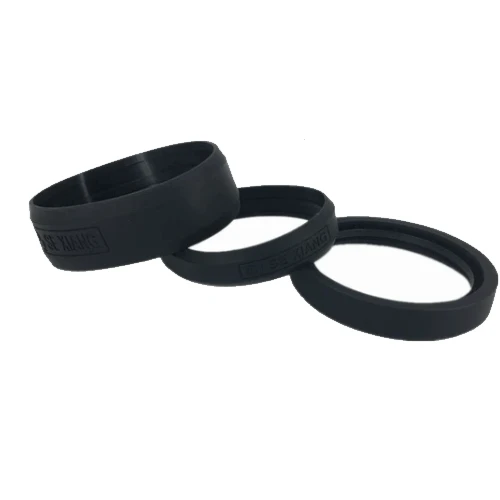

You should make sure that the gaskets you choose are suitable for the temperature and pressure conditions of your application. If the operating conditions change, you may need to replace the gaskets with ones that are better suited to the new conditions. For example, if you're using Desulphurization Tower Flange Seals in a tower where the temperature and pressure fluctuate, you need to ensure the gaskets can withstand these variations.
Lubrication
In some cases, lubricating your rubber gaskets can help improve their performance and lifespan. Lubrication can reduce friction between the gasket and the mating surfaces, which can prevent wear and tear. It can also help the gasket seal more effectively.
However, not all gaskets require lubrication, and using the wrong lubricant can actually damage the rubber. Therefore, you should only lubricate your gaskets if it's recommended by the manufacturer. If you do need to lubricate the gasket, make sure to use a lubricant that is compatible with the rubber material.
Reinstallation
When reinstalling rubber gaskets, it's important to follow the proper procedures. Make sure the mating surfaces are clean and free of any debris or old gasket material. You should also apply the correct amount of torque when tightening the bolts or fasteners. Over-tightening can cause the gasket to deform or damage, while under-tightening can result in a leak.
If you're unsure about how to reinstall the gaskets correctly, you can refer to the manufacturer's instructions or consult with a professional.
When to Replace
Despite your best efforts at maintenance, there will come a time when you need to replace your rubber gaskets. Signs that it's time to replace a gasket include persistent leaks, visible damage that can't be repaired, or a significant change in the gasket's performance.
It's important to replace gaskets as soon as you notice these signs to prevent further damage to your equipment and ensure its proper functioning.
In conclusion, proper maintenance of rubber gaskets is essential for their performance and longevity. By following these maintenance tips, you can extend the lifespan of your gaskets and avoid costly repairs and replacements. If you're in the market for high-quality rubber gaskets or have any questions about gasket maintenance, don't hesitate to reach out. We're here to help you find the right solutions for your needs and ensure that your equipment runs smoothly.
References
- Rubber Gasket Handbook: A comprehensive guide to rubber gaskets, their materials, applications, and maintenance.
- Industry standards and guidelines for rubber gaskets, such as ASTM and ISO standards.
- Manufacturer's specifications and recommendations for specific rubber gasket products.