

how to seal oil pressure sensor?
Oil pressure sensor is an important component for measuring engine oil pressure, and it requires good sealing to ensure accurate measurement and prevent leakage.
Oil pressure sensor can be sealed in several ways
Threaded connection: A sealed connection can be achieved by tightening the threaded joint between the sensor and the measured medium. It is suitable for some low- or medium-pressure application scenarios, but leakage problems may occur in high-pressure applications.
Flange connection: Ensure tightness by joining flanges between sensor and pipe together and using sealing gaskets. It is suitable for high pressure or high temperature application scenarios and can effectively prevent leakage.
Port plane sealing: Place a rubber O-ring on the end face of the diaphragm welding ring at the front of the sensor, and use the locking ring at the rear to press the sensor against the O-ring to achieve a sealing effect.
Side seal: Place a rubber O-ring in the middle of the side of the sensor, and use the deformation of the O-ring on the inner cavity wall of the package housing to seal. This form of packaging has great advantages. Since the deformation of the O-ring in the inner cavity wall of the packaging shell is extremely controlled, the stress exerted on the sensor is extremely small to a negligible level, and the axial direction of the sensor in the inner cavity There is a tiny space for movement, so no stress is exerted on the sensor.
The above are some sealing methods for oil pressure sensors. According to different application scenarios and needs, you can choose a suitable sealing method.
Sealing of the oil pressure sensor is usually achieved through the following aspects
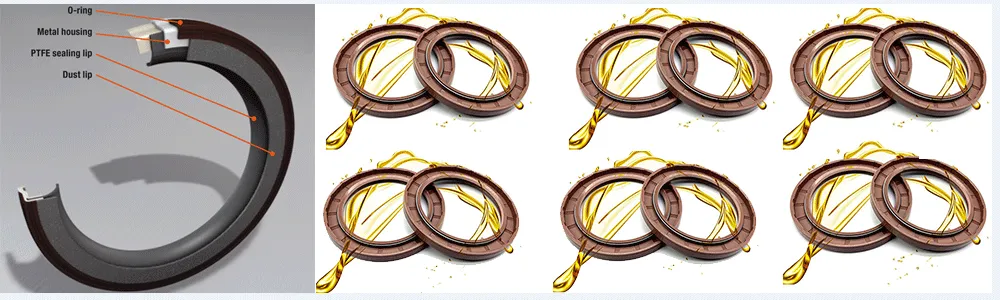
- Seal Material: Oil pressure sensors typically use rubber or silicone seals to provide effective sealing performance. These seals have excellent elasticity and oil resistance, and can effectively prevent oil from leaking from the sensor interface.
- Sealing design: O-ring seals, flat seals or threaded seals are usually used to ensure a tight and reliable seal between the sensor and the connecting parts.
- Tightening force: The connection of the sensor to the engine or oil system is usually through threads or bolts. Proper tightening force ensures a tight seal between the sensor and connecting parts and prevents leakage. However, over-tightening may cause damage or deformation of the seal, so tightening force needs to be controlled according to the manufacturer's guidance or specifications.
- Surface treatment: The surface treatment of the sensor and connecting parts also plays an important role in sealing. The surface should be kept smooth and flat to ensure good contact between the seal and the surface. Proper surface treatment, such as coating with anti-corrosion agents or lubricants, can provide a better seal.
- To ensure a good seal of the oil pressure sensor, here are some common maintenance and precautions:
- Check regularly, clean promptly, use correct seals, and avoid over-tightening.
- In summary, the sealing of the oil pressure sensor is key to ensuring accurate measurement and preventing leakage. By using appropriate sealing materials, seal design and maintenance methods, you can ensure good sealing performance of the oil pressure sensor, thereby improving engine reliability and performance.
If you need more professional and specific sealing solutions, please feel free to consult Linde Polymer. We will do our best to provide you with professional advice.


