
Introduction
Rubber seals are extensively utilized in many industries, particularly in construction, automotive, aerospace, and equipment. Their primary purpose is to shield equipment from the elements and stop liquids or gasses from leaking. The physical characteristics of rubber seals are among the most significant elements that impact their service life. Linde Polymer will walk you through how rubber seals' physical characteristics impact their lifespan and offer maintenance advice accordingly.
1. Overview of the physical properties of rubber seals
Hardness, elasticity, tensile strength, rip strength, abrasion resistance, and aging resistance are some of rubber's physical characteristics. The performance of rubber seals in use is directly influenced by these characteristics.
Hardness: A Shore durometer is often used to assess the hardness of rubber seals. A seal with a moderate hardness will be able to withstand compression, but one that is too soft or too hard may fail. Under high pressure, seals that are too firm may not fit the sealing surface, while those that are too soft are likely to distort.
Elasticity: When rubber is exposed to external forces, its elasticity allows it to distort and regain its former shape. Seals with high elasticity are better able to sustain their sealing capabilities via repeated stretching and compression operations. Nevertheless, rubber's flexibility may deteriorate with time, leading to seal failure.
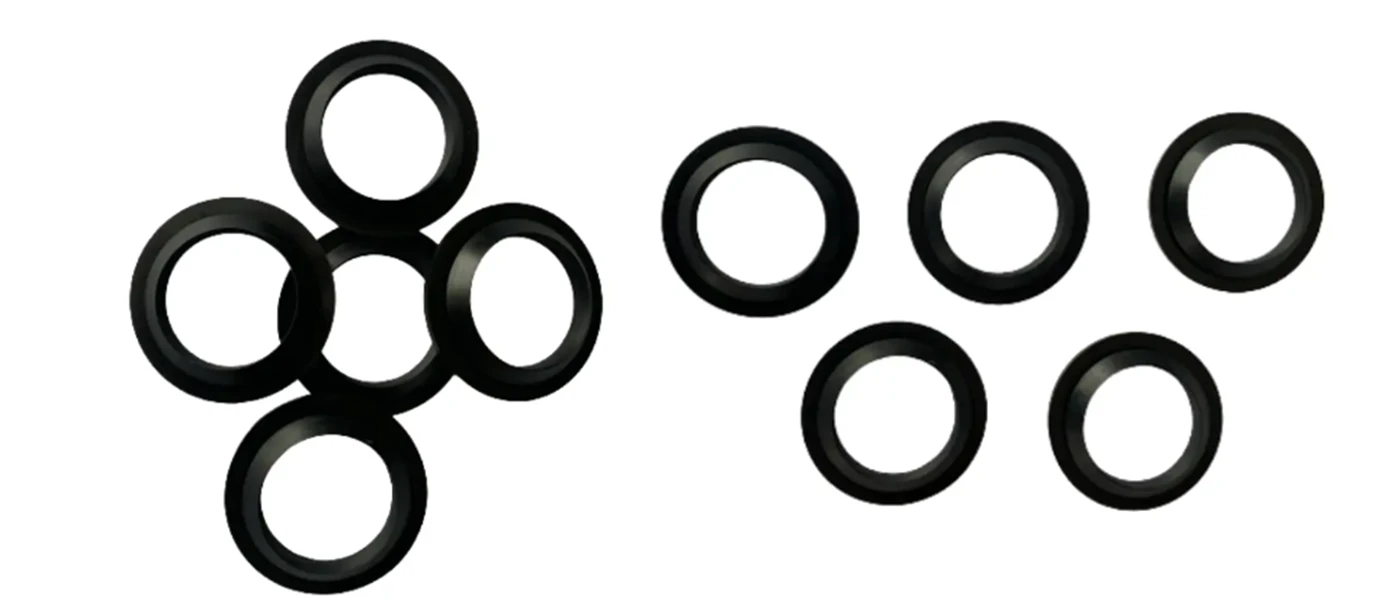
Tensile strength vs tear strength: Teach strength is the material's resistance to tearing, whereas tensile strength is the highest stress a material can sustain when stretched. The longevity of seals in high-pressure, high-temperature, or high-friction situations is intimately correlated with these two characteristics.
Wear resistance: Good wear resistance helps prolong the service life of seals, which are frequently subjected to friction in moving parts. Inadequately resistant seals are more likely to deteriorate over time and fail.
Aging resistance: During usage, rubber seals are subject to several elements, including oxygen, ozone, UV radiation, and temperature fluctuations, which can cause material aging and performance deterioration. Strong aging resistance in rubber helps prolong service life and improve performance.
2. The impact of physical properties on service life
Temperature effect: Rubber seals' service life will be shortened when they are utilized in high-temperature situations because the material will age more quickly and lose its flexibility and strength. Rubber seals' high temperature resistance should thus be taken into account while choosing them in order to accommodate the real working environment.
Media influence: Rubber compounds are eroded to varying degrees by various liquids or gases. For instance, many rubber materials may swell or disintegrate when exposed to oils and chemical solvents, which would impair their ability to seal. Selecting rubber materials that work with the medium is essential.
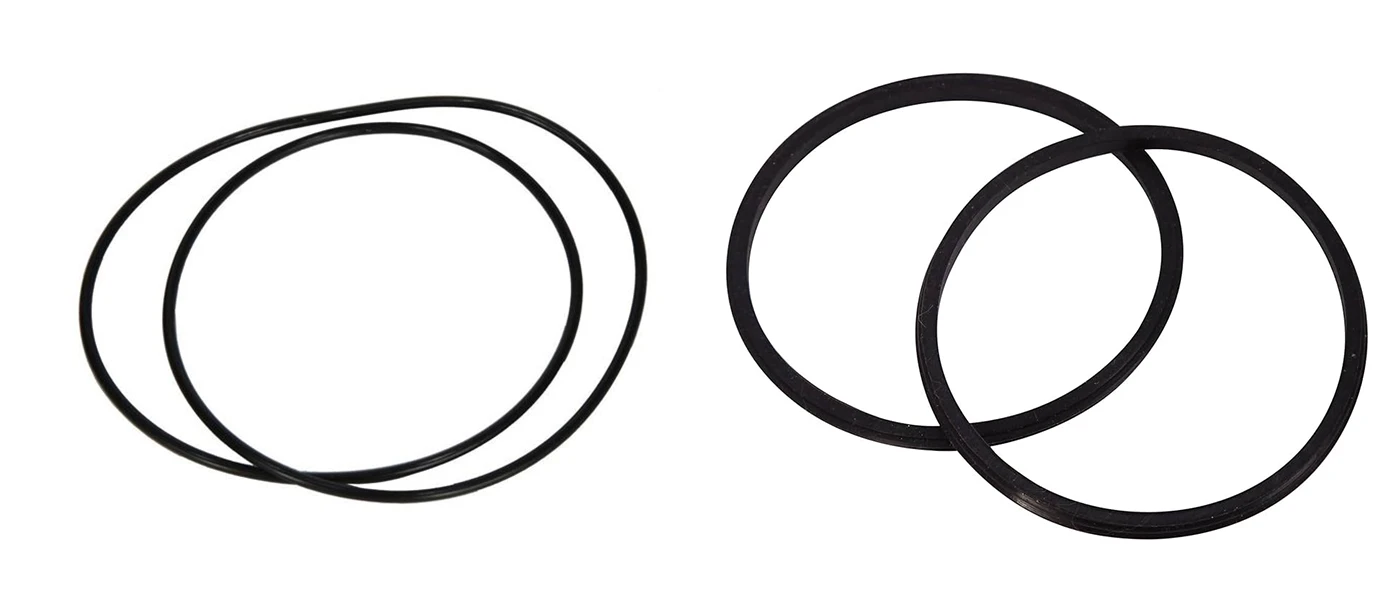
Mechanical stress: During operation, seals are exposed to a variety of mechanical stressors, including as shear, tension, and compression. Leakage will ensue from the seal's deformation or breaking if its physical characteristics are insufficient to sustain these loads.
Installation and upkeep: Rubber seals' service life is significantly impacted by the installation procedure. An improper installation may result in increased localized compression or tension, which may accelerate the seal's degradation. Furthermore, routine inspection and maintenance can identify issues early on and prolong the seal's service life.
3. Suggestions for extending the service life of rubber seals
Select the appropriate material: To guarantee the long-term durability of the seal, select the appropriate rubber material based on the environmental conditions of the actual use, including resistance to high temperatures, chemical corrosion, and other features.
Frequent inspection and maintenance: Put in place a system for routine inspection and maintenance, replace old or worn seals as soon as possible, and stop larger losses from occurring because of seal failure.
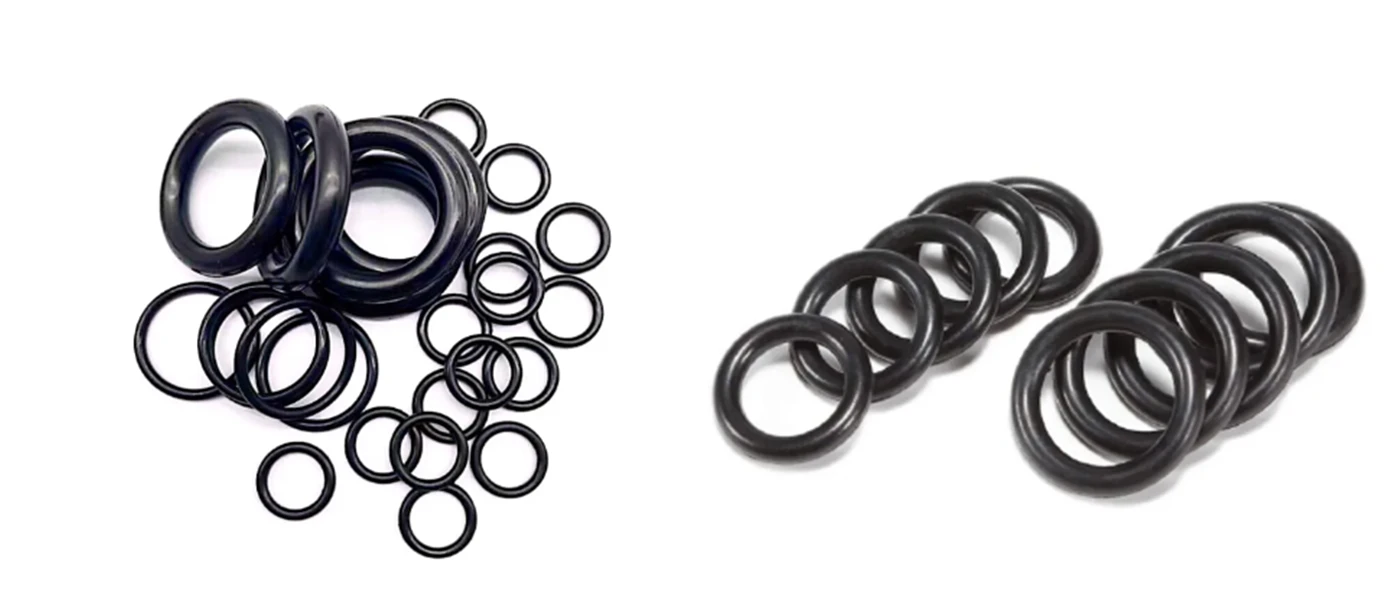
Reasonable installation: To prevent damage from incorrect installation, make sure that the right operational standards are followed while putting rubber seals in place.
Manage the working environment: Make an effort to manage the seal's working environment to prevent damage from corrosive media, high temperatures, and high pressures.
Conclusion
The service life of rubber seals is significantly influenced by their physical characteristics. It is possible to increase the equipment's dependability and the service life of rubber seals by comprehending their physical characteristics, choosing materials wisely, performing routine maintenance, and installing them correctly. In order to help engineers and maintenance staff produce better outcomes in real-world applications, I hope this paper will serve as a helpful resource.


