
Engine gaskets play a vital role in automotive engines, filling gaps between engine parts, ensuring tightness and preventing liquid and gas leakage. Choosing the right engine gasket material is equally important for engine performance and reliability.
This article will dive into the types of materials for engine gaskets, including common material types and their properties, to help us make an informed choice.
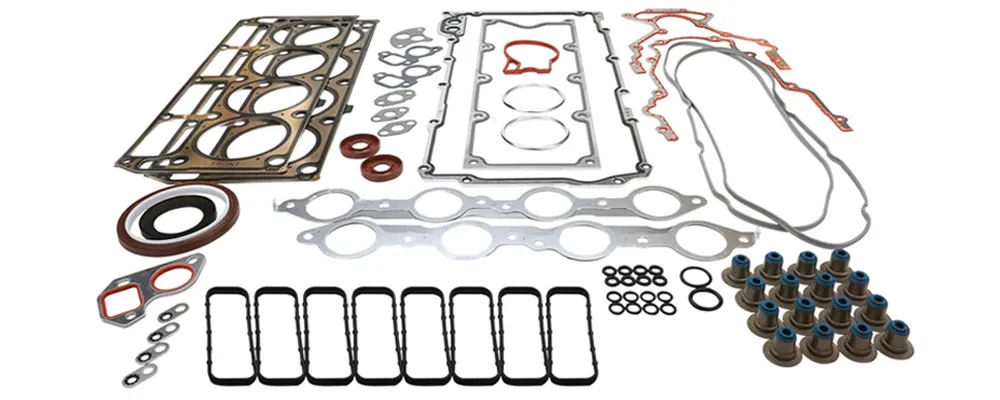
Common types of engine gasket materials
Before choosing an engine gasket material, let's understand a few common types of materials:
1. Metal gasket
Metal gaskets are usually made of aluminum or steel and have good heat and pressure resistance. They are suitable for high-temperature and high-pressure engine environments, such as cylinder head gaskets and crankcase gaskets for automotive engines.
2. Fiber gasket
Fiber gaskets are typically made of organic fiber materials such as paper or mica and are surface treated to improve temperature resistance and sealing performance. They are commonly used in low-pressure engine components such as cylinder heads and intake manifolds.
3. Rubber gasket
Rubber gaskets are usually made of rubber materials such as nitrile rubber (NBR), fluoroelastomer (FKM) or silicone rubber (VMQ). They have good elasticity and sealing properties and are suitable for a wide range of temperature and pressure conditions.
4. Composite gasket
Composite gaskets are a combination of different materials that combine the advantages of their respective materials. For example, the combination of metal with rubber or fiber can provide better temperature resistance and sealing properties.
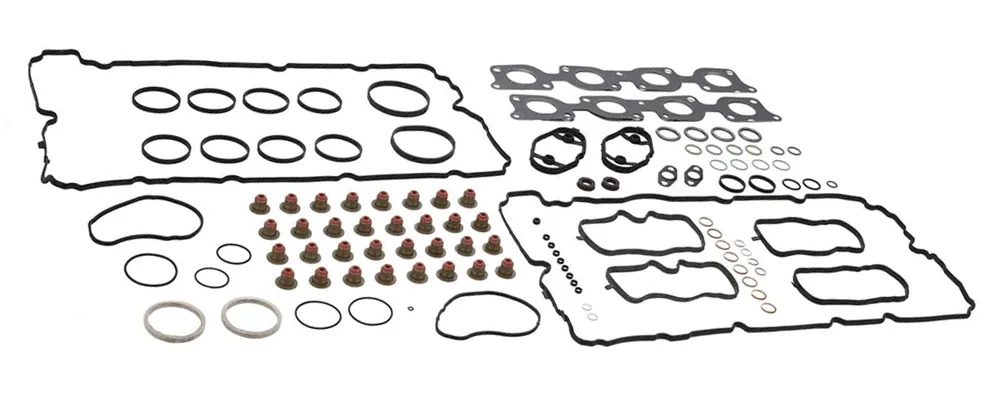
Selection factors for engine gasket materials
The following factors need to be considered when selecting the right engine gasket material:
1. Temperature
Engine gaskets need to be able to withstand high temperatures. Therefore, high temperature resistance is one of the key factors in the selection of materials. Metal gaskets and fluoroelastomer (FKM) gaskets have good temperature resistance and are suitable for high temperature engine applications.
2. Stress
Engine gaskets need to be able to withstand the pressure inside the engine. Due to its high strength and rigidity, metal gaskets are able to provide good sealing properties and are suitable for high-pressure environments.
3. Chemical resistance
Chemicals such as oil, coolants and additives may be present in engine lubricants and coolants. Therefore, engine gaskets need to have good chemical resistance to resist chemical corrosion and liquid penetration. Rubber gaskets (such as nitrile rubber) and fluoroelastomer (FKM) gaskets often have good chemical resistance.
4. Sealing performance
One of the main functions of engine gaskets is to provide an effective seal. The material should have good elasticity and compression properties to ensure that the tightness is maintained under different working conditions. Rubber gaskets and fiber gaskets generally have better sealing properties.
5. Cost
Cost is also one of the factors to consider when selecting an engine gasket material. The cost of different materials varies, and manufacturing and installation costs also need to be considered. Metal gaskets are generally more expensive, while fiber gaskets and rubber gaskets are relatively economical.
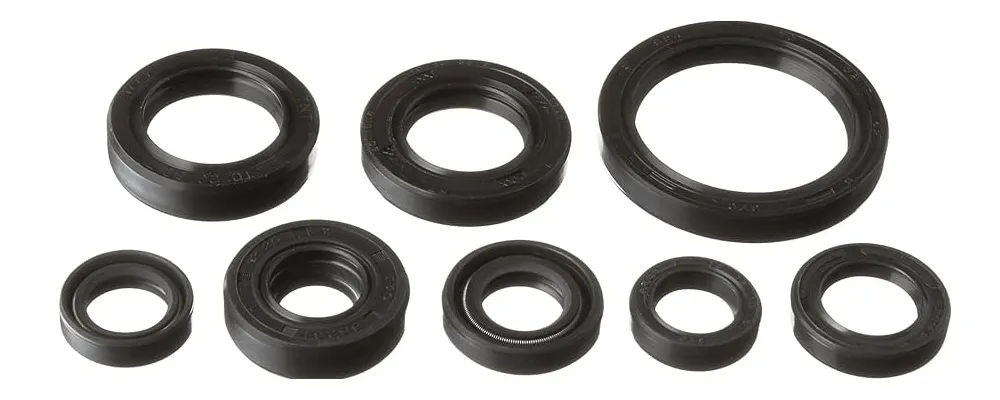
Applicable scenarios for different material types
According to the characteristics of different materials, the suitable engine gasket material can be selected in the following scenarios:
1. High temperature and high pressure environment
For high-temperature and high-pressure environments, such as cylinder heads and crankcases of automotive engines, metal gaskets are a common choice. Metal gaskets have excellent heat and pressure resistance, and can effectively seal and withstand high temperature and pressure environments.
2. Low temperature and low pressure environment
For low-temperature, low-pressure environments such as cylinder heads and intake manifolds, fiber gaskets are a common choice. Fiber gaskets have good sealing properties and are relatively economical.
3. Chemical corrosion environment
For environments where chemicals are present, such as engine lubricants and coolants, rubber gaskets are a common choice. Nitrile rubber and fluoroelastomer have good chemical resistance and can resist chemical corrosion and liquid penetration.
4. Comprehensive performance requirements
Composite gaskets are an ideal choice for environments where high temperature, high pressure, chemical resistance and sealing performance are a combination of considerations. Composite gaskets can combine the benefits of different materials to provide better performance and reliability.
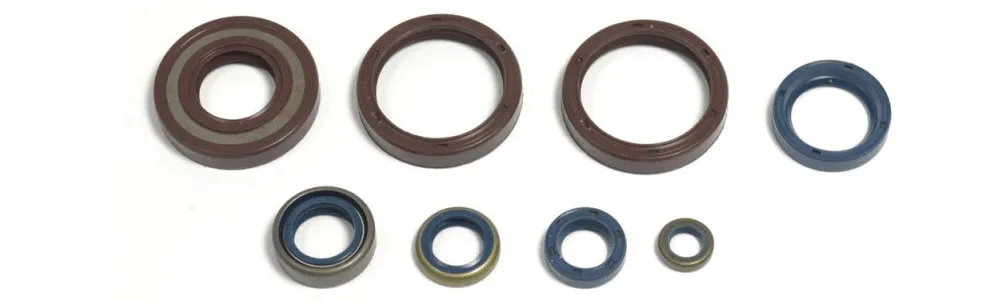
Conclusion
Choosing the right engine gasket material is critical to engine performance and reliability. When selecting an engine gasket material, factors such as temperature, pressure, chemical resistance, sealing performance and cost need to be considered. Common types of engine gasket materials include metal gaskets, fiber gaskets,


